Steel stands out in terms of sustainability throughout the entire life cycle of a building.
In this article we will examine some of the steel quality factors that can contribute to this reality, including:
- Off-site manufacturing process (outside the construction site);
- Flexibility and adaptability;
- Performance according to the carbon in its compound;
- Ability to be reused and recycled.
Sustainability in steel warehouses: OFF-SITE Manufacturing
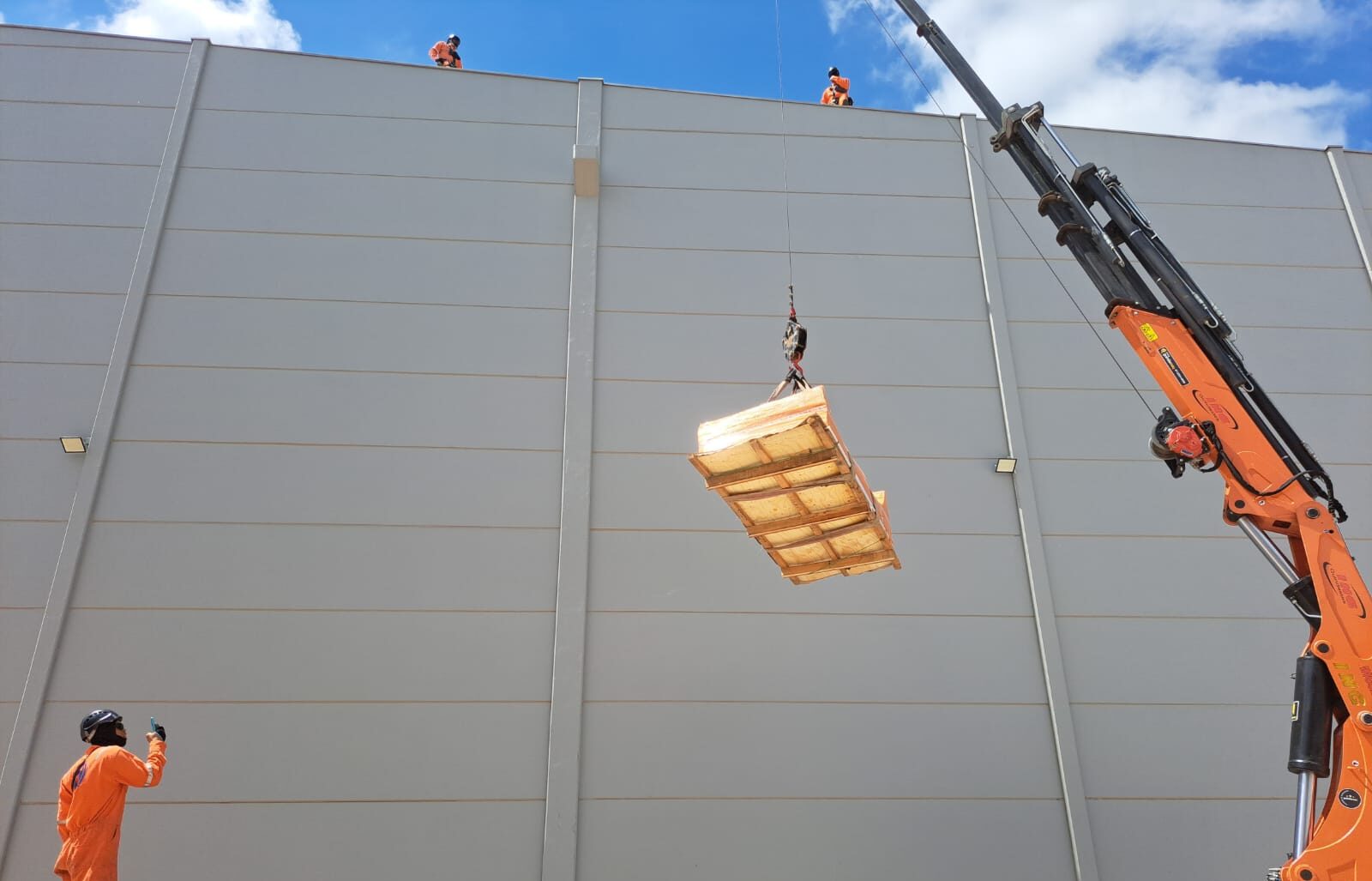
In this strategy, all steel components are manufactured in a special controlled environment, so that they are only then installed in the location where they will actually be used. The off-site manufacturing process is faster and leaner than traditional on-site construction of the structure.
Sustainability in steel warehouses also brings benefits to workers, as it requires qualified, committed personnel and offers jobs with good stability, even benefiting the local communities at the site.


Furthermore, it is also more environmentally friendly; and its quality and productivity are not at the mercy of adverse weather conditions possible on a construction site, for example.
In these specialized factories, sophisticated design and production systems are capable of delivering components with high precision, made in a controlled, highly regulated and safe environment. Any waste generated during manufacturing can be recycled and reused.
Flexibility and adaptability
In an era of changing labor standards, new technologies, demographic shifts and regulations, the demand for more flexible buildings has never been higher.
The sustainability of steel warehouses and their wide variety of applications provide architects with a great material for innovative and versatile projects. These can be easily adapted to eventual changes and requirements in the environment.
Such flexibility is given by the ease with which a steel frame can be modified, with the addition or removal of new parts, and its relatively light weight. Furthermore, they guarantee the resistance of buildings so that extra floors can be added without overloading the structure.
Operational carbon: Steel and thermal mass
The impact of structural form on operational carbon emissions from non-residential buildings is generally small – however, one issue that must be recognized is thermal mass.

The most commonly used parameter to evaluate the thermal mass of construction elements is admittance, which can be defined as the ability of an element to exchange heat with a space when it is subject to cyclical temperature variations.
In a naturally ventilated building, the maximum admittance value for a concrete slab exposed on one side is achieved with just 75-100 mm of concrete.

Recycling, reuse and circular economy
Maintaining products for as long as possible is a key component of the “circular economy” and naturally a key driver of sustainability in steel warehouses.
The longer a product lasts, the less raw materials need to be supplied and processed and the less waste will be generated. Steel structures, when properly designed and protected, provide impressive long-term durability of the warehouse structure.
Sustainability solutions in steel warehouses with the MB group
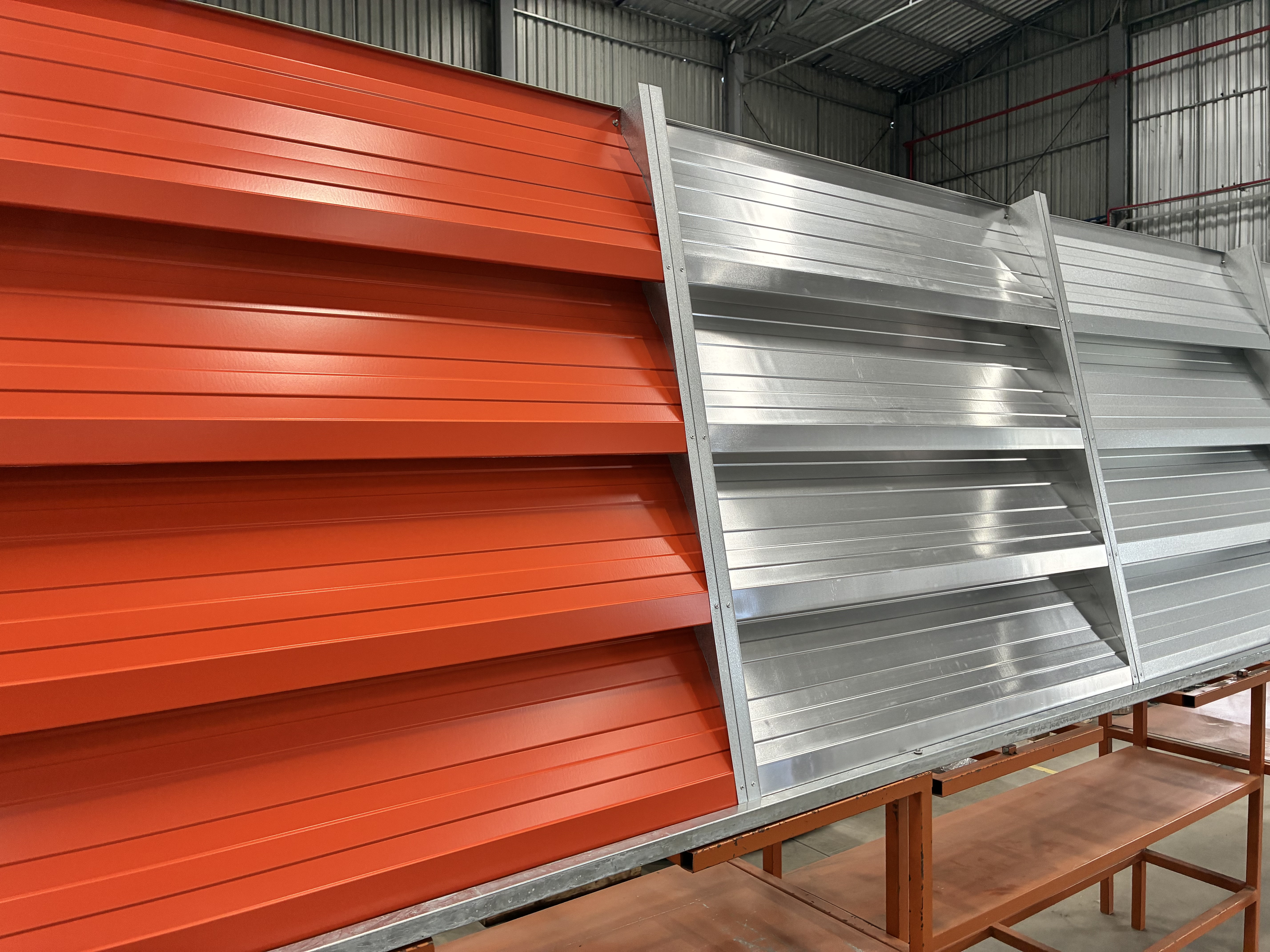
MB group products guarantee energy savings withlighting e natural ventilation, which further raise sustainability levels in an industrial construction.
They are perfectly adaptable for metal buildings and roofs, offering the same durability and environmental benefits as these buildings. Not to mention the already patented system ofdomusto be installed on any type of roof.