Natural ventilation in industry is an efficient and sustainable solution that reduces dependence on mechanized systems, such as air conditioning and fans, responsible for high energy costs in industrial environments. By using natural resources, such as breezes and temperature differences, this system promotes air circulation in an economical and sustainable way.
In this article, discover how natural ventilation works in industry and learn about the benefits and applications that make this solution indispensable for modern companies.
How to apply Natural Ventilation in industry
Natural ventilation uses strategically positioned openings to ensure continuous air circulation. Among the most common techniques are:
- Cross Ventilation: Consists of fresh air entering through one opening and hot air leaving through another, generally opposite, creating an efficient and natural flow.
- Chimney Effect: In warehouses with high ceilings, hot air rises due to its lower density and is expelled through the upper openings, as through a louver. Meanwhile, fresh air enters through the lower openings, keeping the internal temperature more pleasant.
Components such as industrial shutters and lanterns enhance these processes, while modern technologies, such asCFDallow 3D modeling of the behavior of indoor air.
Main advantages of natural ventilation in industrywith Lantern and Shutters from Grupo MB
Adopting natural ventilation offers numerous benefits, including:
1. Better well-being and productivity
Industrial environments can accumulate harmful gases and particles. Natural ventilation guarantees constant air renewal, promoting the health and thermal comfort of employees. This results in lower thermal stress and increased productivity.
2. Humidity control
Natural ventilation prevents the accumulation of humidity, protecting metal structures against corrosion, preventing damage to equipment and preserving stored products. Tools like CFD help you size the system for specific needs.
3. Flexible adaptation
This solution can be implemented in new projects or through retrofits in existing structures, modernizing old buildings without altering their original architecture.
4. Sustainability and economy
By reducing energy consumption, natural ventilation contributes to environmental preservation and reduces operating costs. Its maintenance is also more economical when compared to mechanized systems.
Natural Ventilation Solutions: How Lanterns and Shutters Work
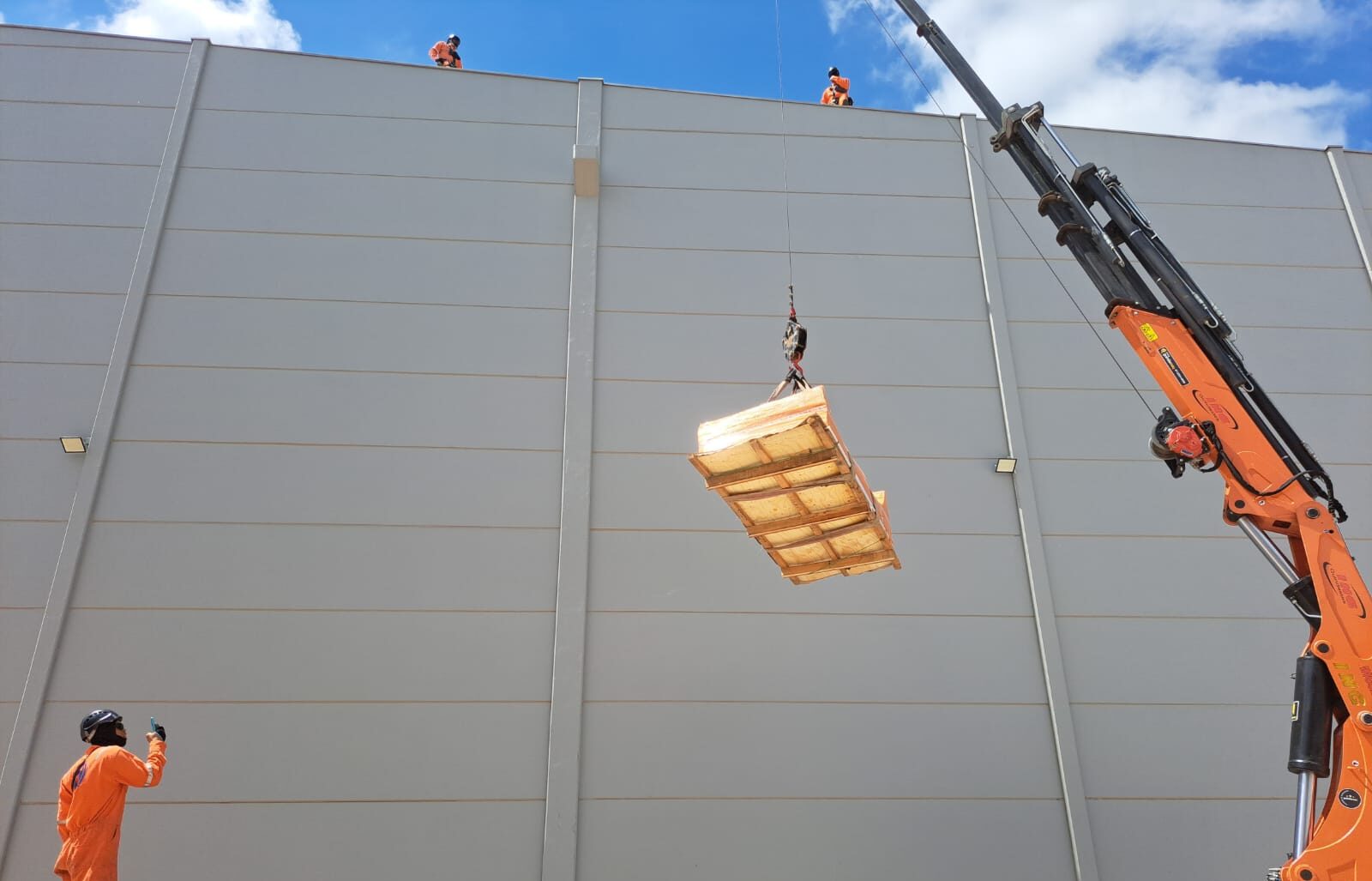
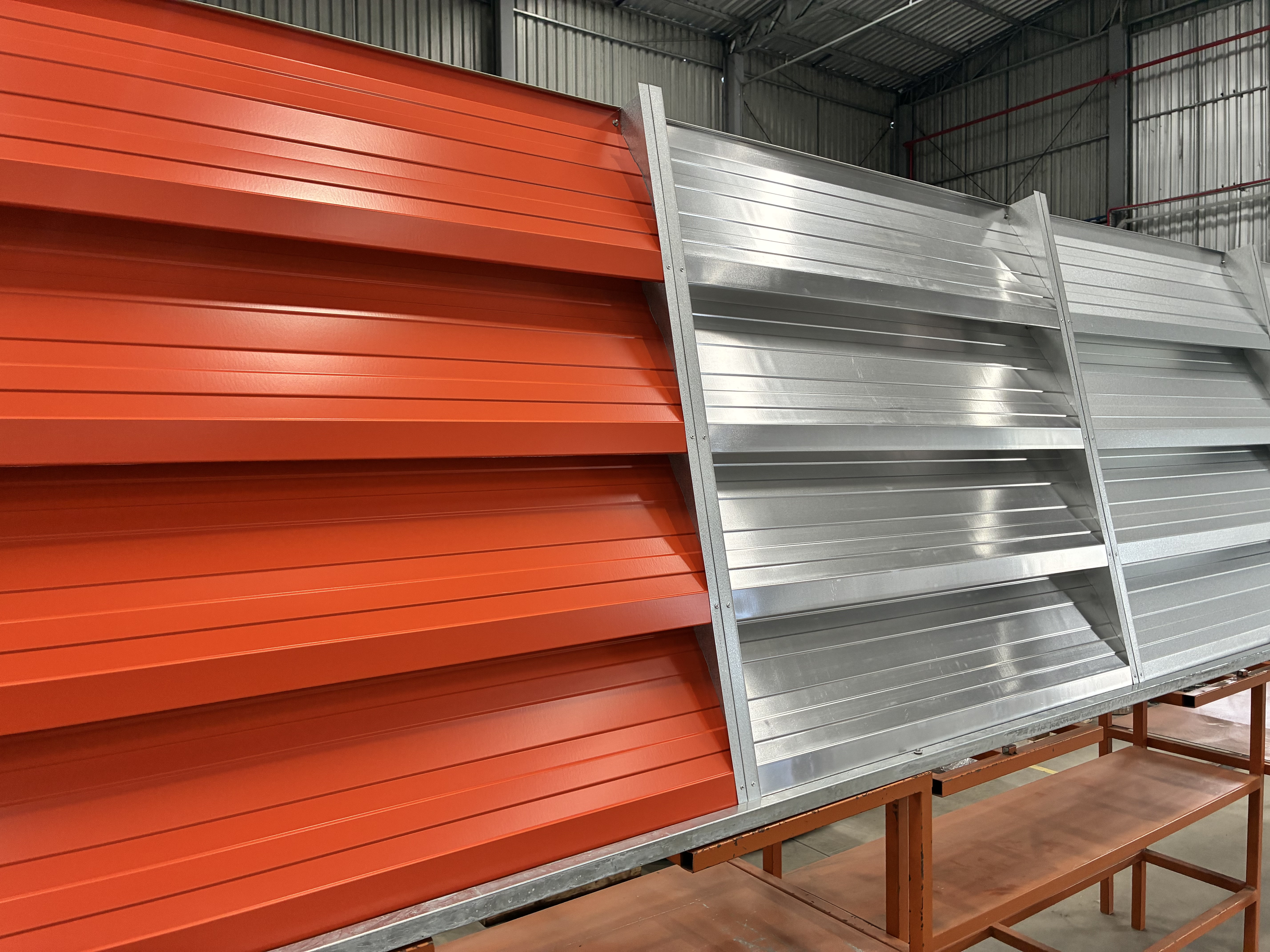
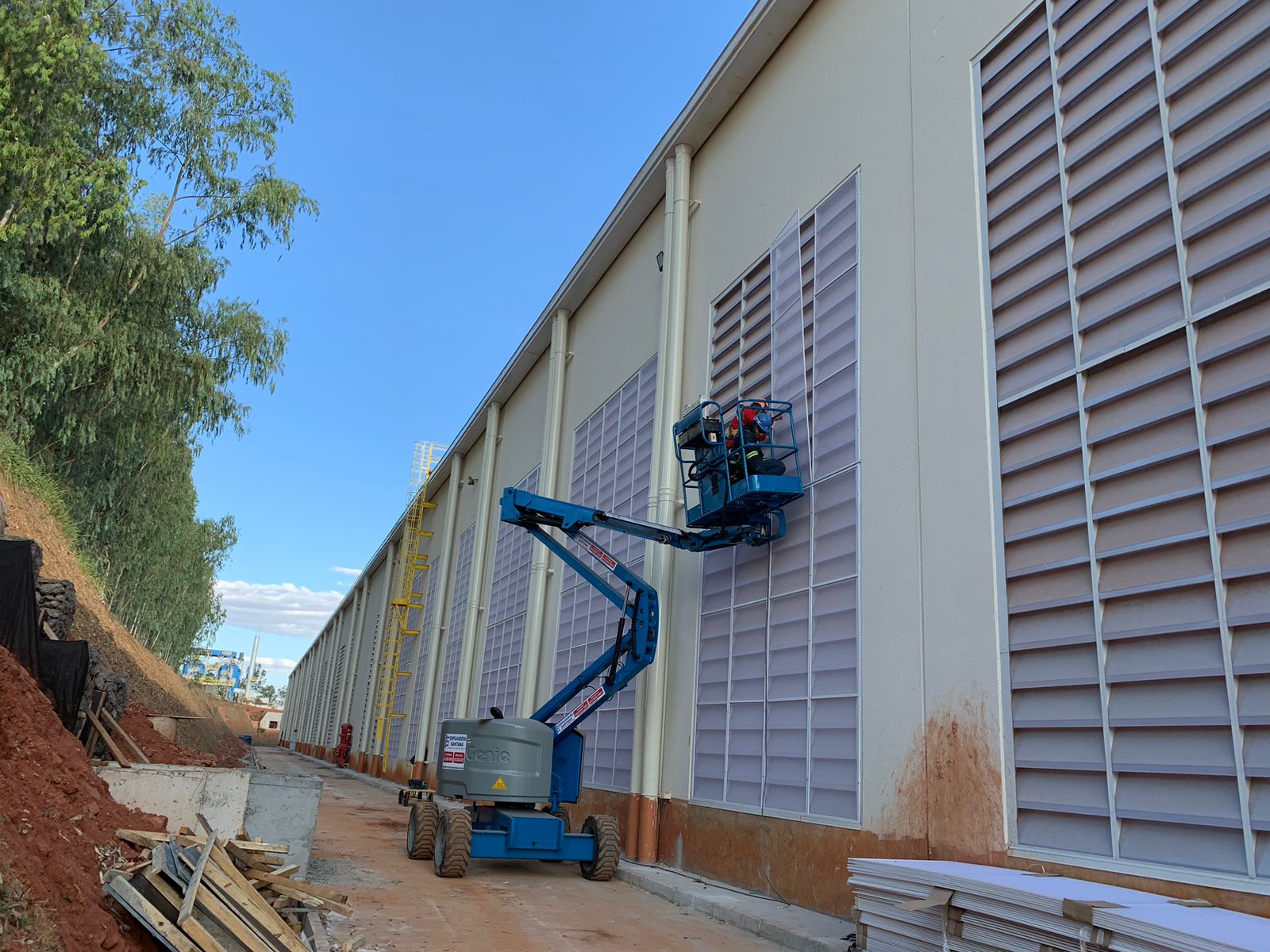
Industrial Venetian blinds: Responsible for allowing fresh air to enter the sides of buildings, promoting continuous circulation.
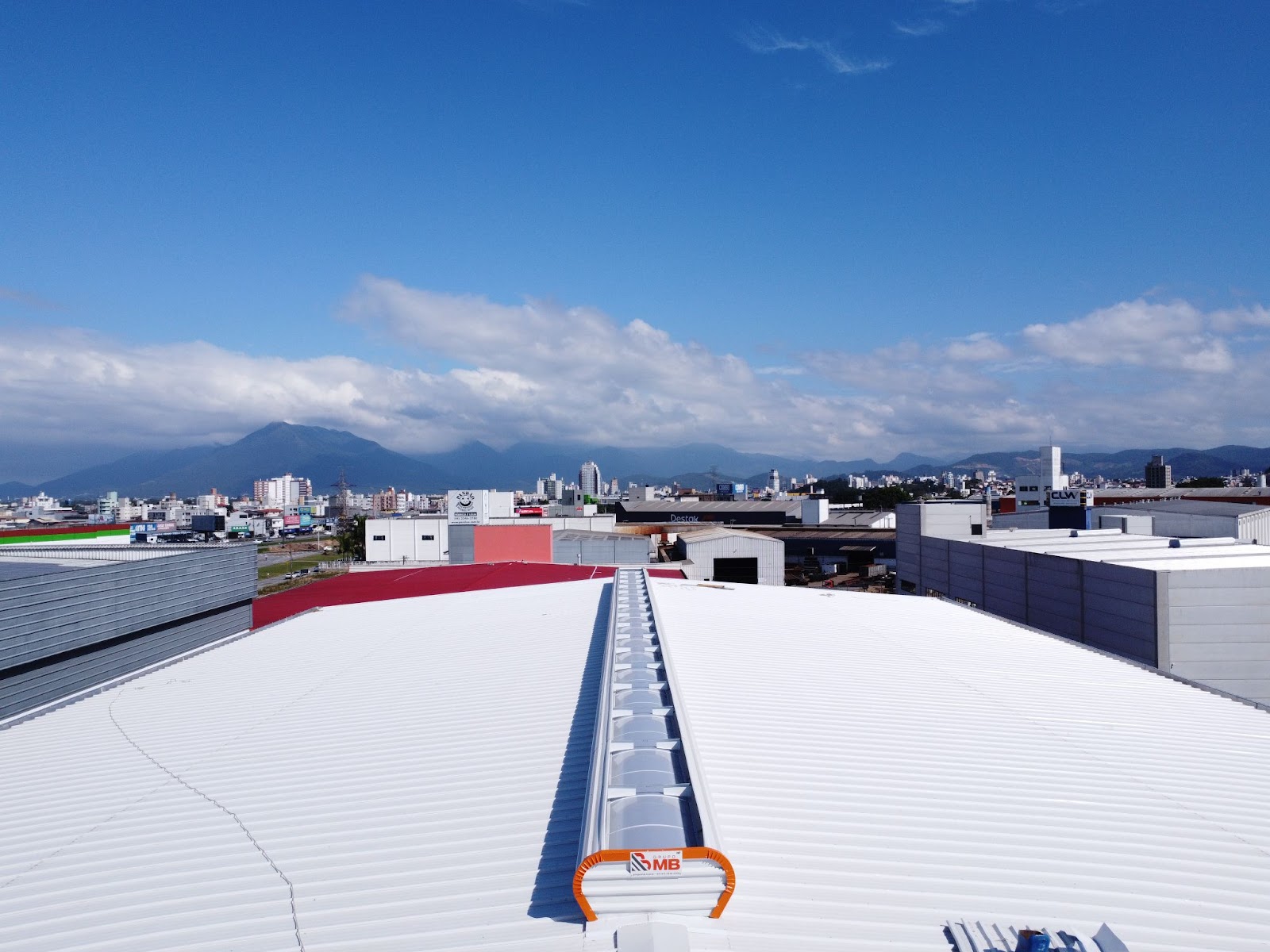
- Lantern: Installed on top of buildings, they are designed to expel hot air and accumulated pollutants.
The synergy between these components creates an efficient system, providing air quality, thermal comfort and energy savings.
Why invest in Natural Ventilation
The advantages of natural ventilation in industrial warehouses go far beyond thermal comfort. Companies that adopt this solution demonstrate a commitment to sustainability and quality of life for employees, while reducing operational costs and promoting a safer and more productive work environment.
Furthermore, applying cross ventilation in industry is an effective strategy to constantly renew the air, dissipate accumulated heat and improve internal circulation, all without the need for high electrical energy costs. This practice adds value to the enterprise, positioning your organization as a reference in responsible environmental practices.
Whether for new projects or adjustments to existing structures, we have personalized solutions that transform the environment of your industry, combining efficiency and sustainability.
Invest in natural ventilation and put your company ahead of future challenges, adopting intelligent solutions aligned with the best practices in the industrial market.