Sustainability in the industry has become increasingly common. In general, society has rethought water consumption habits. Even so,It is estimated that by 2030 the planet will have a 40% water deficit.
In Brazil, industrial consumption is three times greater than residential consumption. In this way, sustainability in the industry ended up becoming a trend.
To avoid water crises in the future, researchers, companies and public bodies are looking for solutions to minimize waste. In addition to reducing environmental impacts, optimizing water consumption represents savings for organizations, as you will see in this article.
Benefits of optimizing water consumption in industry
- Increased competitiveness, productivity and process efficiency;
- Savings on other inputs (electricity, for example);
- Cost reduction;
- Improvement of corporate image in society (environmental awareness);
- Preservation of the environment.
read more: LED lighting and sustainability combine with the industry
Waste-free water consumption
A single dripping tap uses up to 46 liters of water per day, resulting in 16 thousand liters wasted in a year. Periodically, it is important to check the condition of the plumbing, check water meters, check valves for unregulated discharges and taps for dripping. Identifying leaks in companies and industries can avoid immense waste, in addition to containing losses in the account at the end of the month.
read more: Sustainability in steel warehouses
Water reuse for sustainability in industry
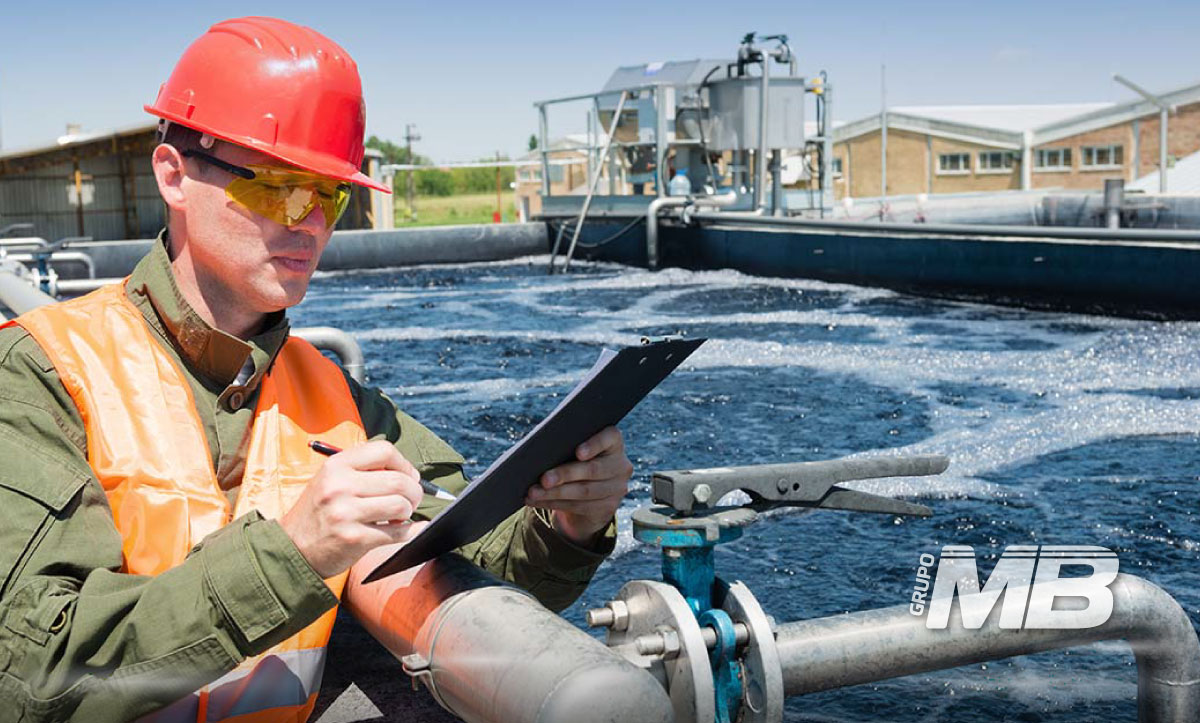
In some processes, reuse in industry can be carried out in activities that do not require the consumption of drinking water. By instituting or outsourcing the treatment of effluents produced by the company, it is possible to direct the reused water to wash yards and cars, irrigate gardens, clean machinery and flush toilets.
In a short time, the savings obtained are capable of exceeding the investment made.

Rainwater consumption in industry
Capturing and storing rainwater that comes from the industry's own gutters is a good option to reduce the use of water from the network. The investment required is low and the benefits are immense.

With the installation of a collection system, after brief planning (check available roof area, define tank size, etc.), rainwater can be used for the same purposes as conventional reused water.
In addition to serving to supply fountains and water bodies and as a reserve for emergency use in cases of fire, saving resources and reducing monthly expenses.
Raising awareness among industry employees
Optimizing water consumption needs to be a continuous process within the industry. The involvement of employees, in addition to suppliers and customers, is fundamental. Creating awareness campaigns, distributing educational materials, such as booklets and relevant information to encourage the participation of everyone involved, is a good option.
Sustainability in favor of the industry
Environmental awareness means that sustainability practices are viewed favorably by modern consumers. This directly impacts your purchasing decisions.
Therefore, investing in a strategy to optimize water consumption can result in significant gains. Both in cost reduction and in the improvement of the image that the industry will have when publicizing its environmental actions.