The concern about theconscious energy consumptionhas become part of the day-to-day activities of companies. If spending was previously unrestrained, currently the objective is to seek economic and sustainable options.
More than theenergy saving in industry, the action has become increasingly popular due to awareness about the use of natural resources and the sustainability of the planet.
It is also important to mention that the use of natural lighting can improve the work environment, contributing to team productivity.
But what is the difference between electrical and natural energy consumption? How can this solution impact the industry? Read the full content and find out more!
Natural lightingversusartificial lighting
Even though the natural optionhave many advantagesRegarding artificial lighting, it must be admitted that artificial lighting cannot always be completely dispensed with, whether due to the need for intensity or in cases where there is nocturnal activity.
The first point that must be taken into consideration is the difference between them. The artificial one is the one that comes fromelectrical energy, with the use of lamps and the installation of wiring.
The natural one can be planned in different ways, taking into account thebest way to include daylight in the work environment– either through solutions or with opening spaces.
In cases where the choice is an artificial lighting system, it is necessary to study carefully before deciding to implement it, evaluating a series of factors, from energy efficiency to the greatest possible comfort for visitors.
To understand, check the table below and learn about some factors that impact the lighting system, including variation in color, temperature and effectiveness. Look:
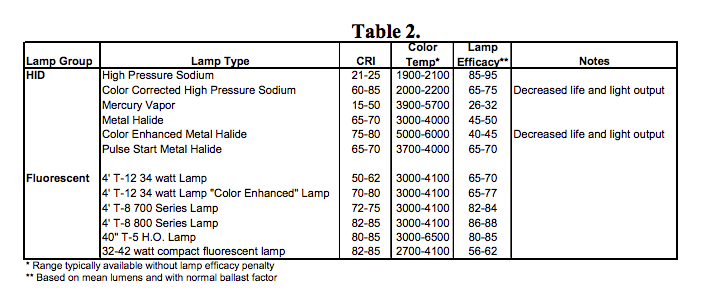
Using the information in the table, we can begin to analyze thetype of lighting suitable for each location and activity. This is the best way to make a project viable, considering efficiency and customization.
It is worth mentioning that in recent years technology has contributed to the development of more viable options, such as lighting using LED lamps. In addition to being more economical, this model has greater durability.
When planning and executing an idea that is designed only with this item, be aware: installation may be more expensive, as this product has a higher value than others.
Therefore, before opting for the artificial option, evaluate what could be most beneficial for the company, including the investment that must be made to implement the project.
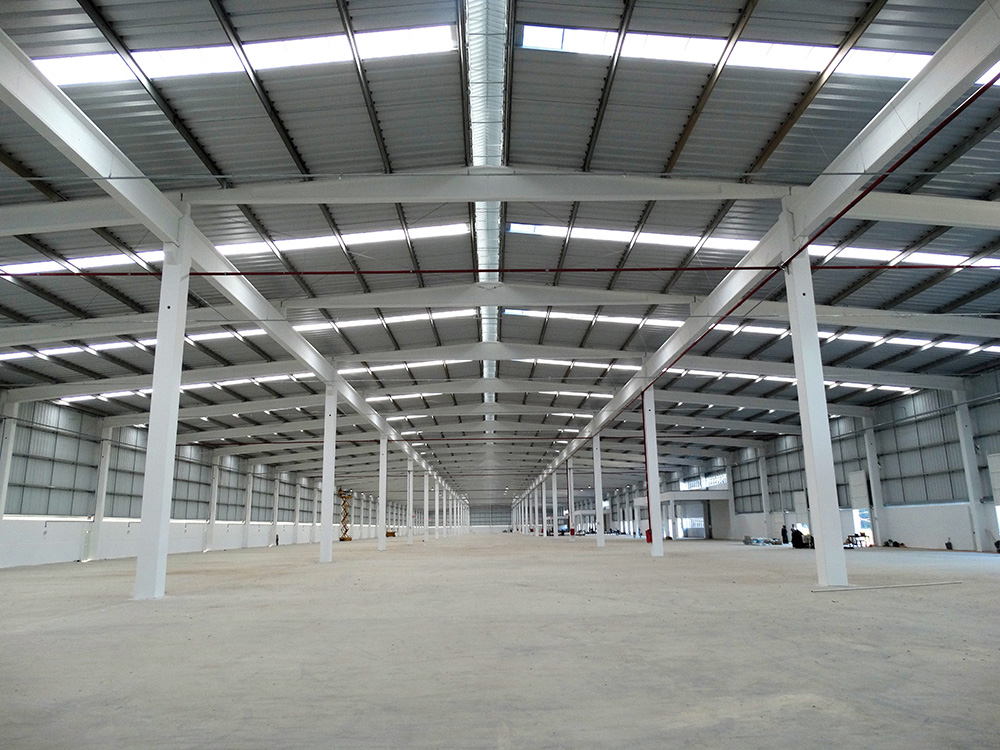
An alternative is to have a structure that allowsnatural lightingefficiently, helping to save energy during the day, even in cloudy weather.
At these times, low or zero energy consumption is entirely possible, as the light can help with the execution of tasks. In situations where there is night work, aLED systemcan provide the necessary energy.
This is a solution that can combine the good of both worlds, promoting savings, well-being for employees and efficiency.
If you still have doubts when it comes to economics, continue reading and see the example of a MB Group client. The result was obtained after the adoption of natural lighting and ventilation systems.
Use of the area to implement natural lighting
The decision about the system used can generate doubts and some questions. However, before the final answer, it is important to take some aspects into consideration.
We know that natural lighting is an alternative to electricity consumption, offering several benefits. Check out some of the advantages:
- High illuminance levels;
- Less need for electrical appliances and wiring;
- Healthier and more pleasant environment for employees;
- Character of sustainability in the company;
- Very low demand for maintenance.
All of these aspects can make a difference in your day-to-day work, both in economic matters and insatisfaction of those who work in the industry. More than choosing a system, it is important to keep in mind that the decision will impact the work routine of several professionals.
As an example, we prepared a graph with an axis with annual costs saved versus factory floor brightness indices.
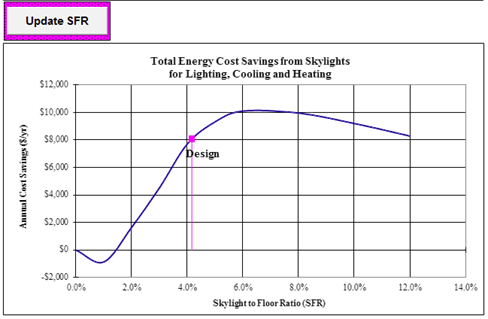
This graph indicates that, although the particular design significantly saves energy, the optimal area that could be used for ceiling light inputs could be larger.
Want to know more about natural luminosity? So check it outDomus with intelligent natural lighting: discover MB Smart.
Standards for natural lighting
In addition to knowing the great advantages ofnatural lighting, it is also important to pay attention to the standards, that is, the rules that define what must be followed during the installation.
NBR 8995, for example, established a glare index that must be respected to guarantee workers' visual comfort. It is worth mentioning that this standard is valid for new constructions and renovations in old spaces.
The main objective is to offer an adequate environment, with thelighting and workplace safety, reducing the chances of accidents and errors.
Remember that the NBR 8995 standard is relatively complex and requires in-depth study or hiring a specialized professional.
Although the rules and elaboration of lighting projects involve many technical terms and calculations, it is this project that guarantees that your work and building willmeet legal standards and will achieve maximum efficiency possible.
To learn more about this, read:Industrial lighting project with natural lighting: how to adapt to current standards.
Energy savings in industry with natural lighting
In the past, lighting systems based on natural light faced many difficulties when it came to complying with energy efficiency requirements. This problem was related to the types of windows and the difficulty in distributing adequate light.
Therefore, in addition to errors with lighting, many professionals end up complaining about the internal temperature and a drop in performance.
Advances in products and materials with greater capacity to capture, refract and diffuse sunlight, which prevent the entry of excess heat and ultraviolet radiation, have consolidated natural light systems as the best solutions for those seeking sustainability and energy savings in the industry.
Potential that is not necessarily wasted with the use of the artificial alternative, as long asbalance and efficiency in hybrid systems.
If you are looking for solutions tonatural lighting, Grupo MB can help. Domus Linealight, industrial shutters and louvers are some of the solutions available that can be compatible with the needs of your industry.
Want to know more about the subject? So take the opportunity to download our e-book andsee how the Lubeka factory reduced costs!