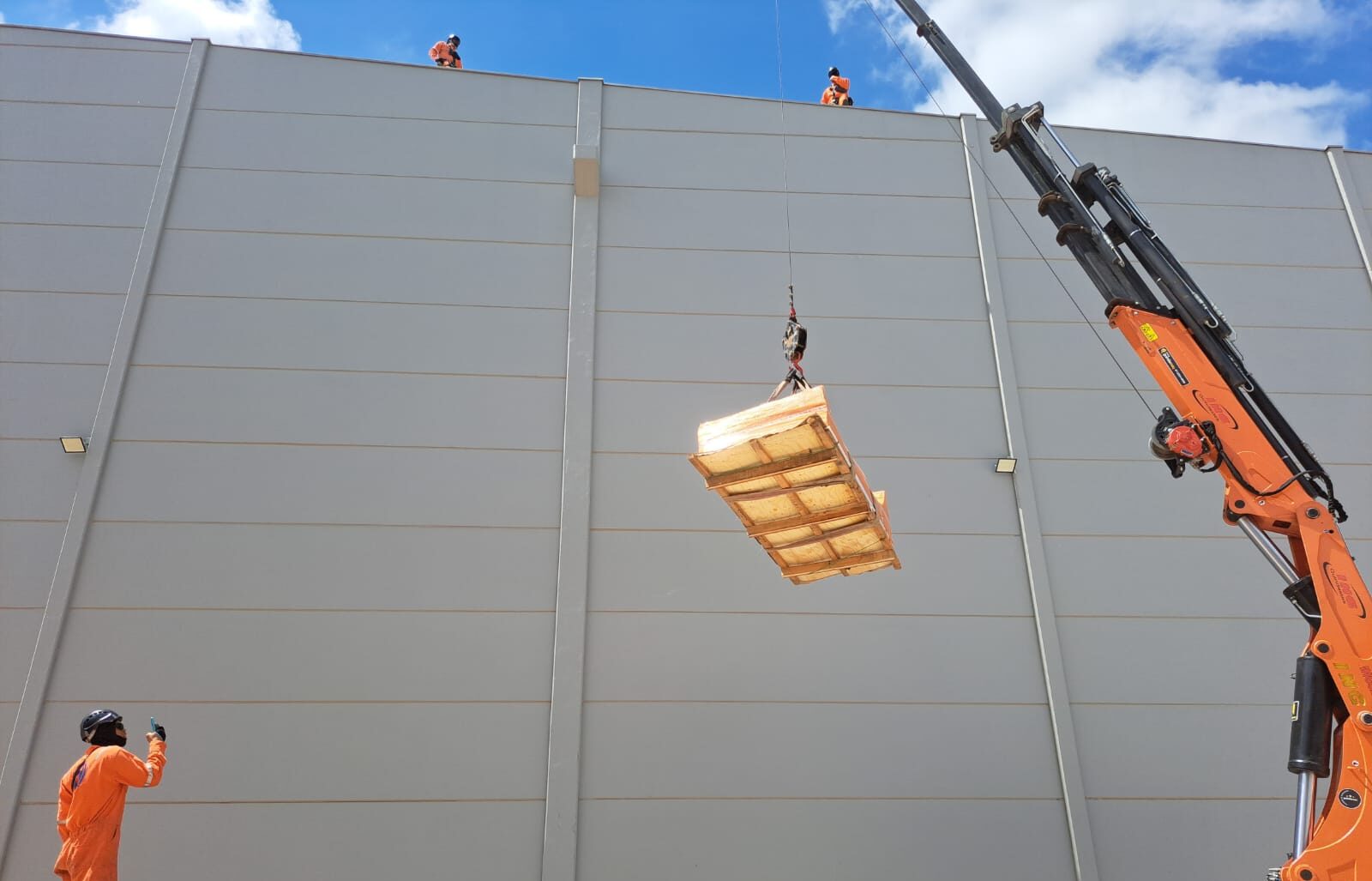
Working at height is a reality for professionals from different sectors, whether in civil construction, infrastructure maintenance, or inspection and repair activities. To ensure the safety of these workers, thelife linecan be decisive.
It is afall accident protection systemwhich allows the worker to restrain himself during activities inraised surfaces. The objective is to guarantee a layer of security in environments where activities under these conditions are necessary.
In Brazil, it is Regulatory Norm 35 (NR 35) that establishes the minimum requirements and protection measures for thework at height. Therefore, any lifeline used in national territory must meet the standards established by this standard.
A MB Group lifelineis a good example of a fall arrest system that meets the requirements of NR 35. With more than 20 years working in industrial projects, our team offers all the support your company needs for the installation and inspection of the lifeline.
Continue reading to understand everything about the components of Grupo MB's lifeline and how we implement this system in your company!
Security and compliance
As we saw, theNR 35is the regulatory standard that determines therequirements and protective measures for working at heights in Brazil. According to the standard, work at height is any activity carried outabove 2 meters from the lower level.See what thetext of NR 35:
“35.1.1 This Standard establishes the minimum requirements and protective measures for working at height, involving planning, organization and execution, in order to guarantee the safety and health of workers directly or indirectly involved with this activity.
35.1.2 Working at height is considered to be any activity carried out above 2.00m (two meters) from the lower level, where there is a risk of falling.”
Every shed needsanchor pointsto ensure the safety of workers at height. A reliable and compliant lifeline system ensures the physical integrity of workers and prevents accidents.
Lifeline Components
So that the systemlife lineworks as it should, it is necessary to have a series ofmandatory parts. Check below the list of the main components of Grupo MB's lifeline.
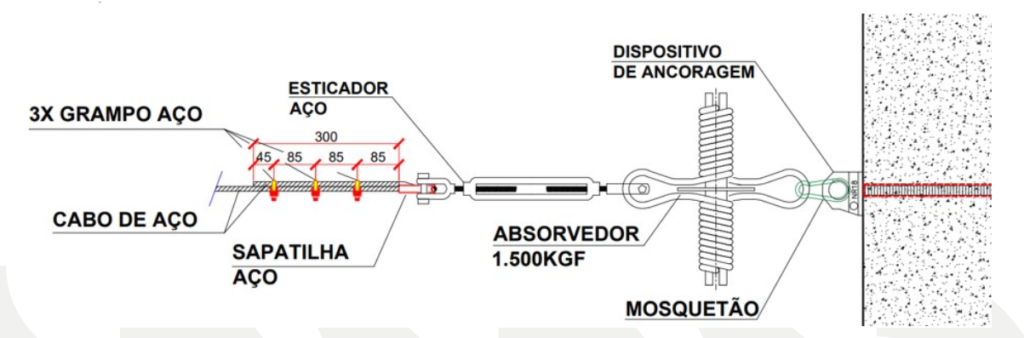
steel cable
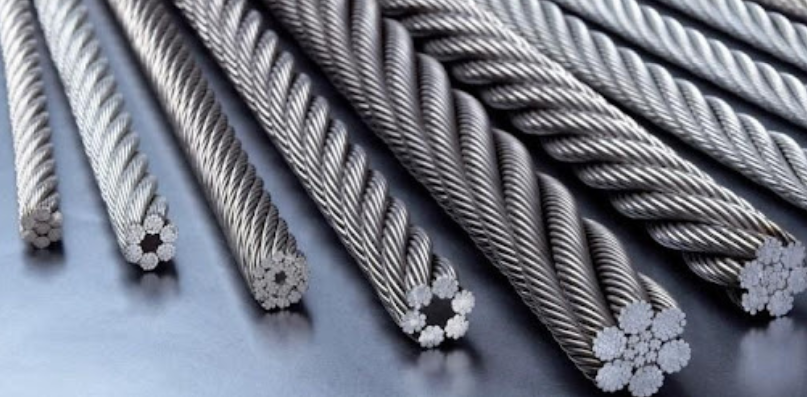
Composed of twisted and intertwined steel wires, the steel cable is thelink between the anchoring components and is fixed to the roof.
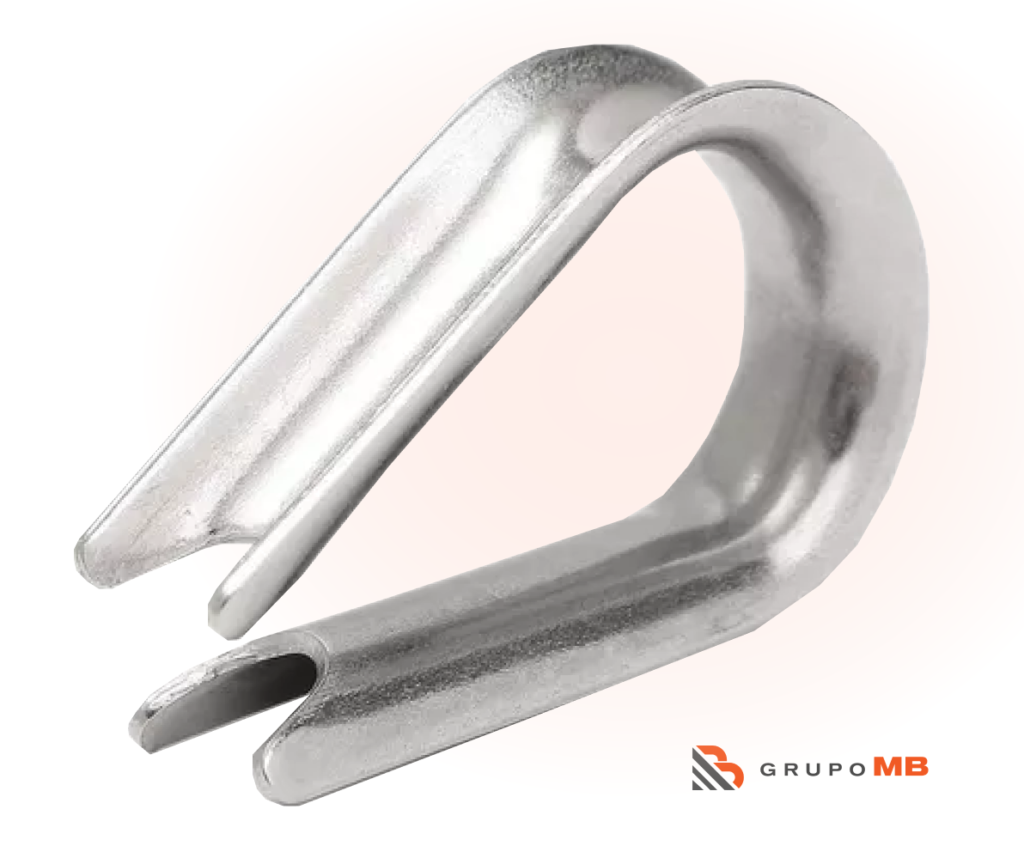
To protect it against premature wear and breakage, a heavy hot-dip galvanized shoe is used, which allows a curve of a specific radius to be created.
Hot-dip galvanized heavy shoe
The hot-dip galvanized heavy shoeavoids direct contact with other devices and provides a “curve” of a specific radius, essential for its durability. Generally made of hot-dip galvanized steel, it guarantees resistance and protection against corrosion.
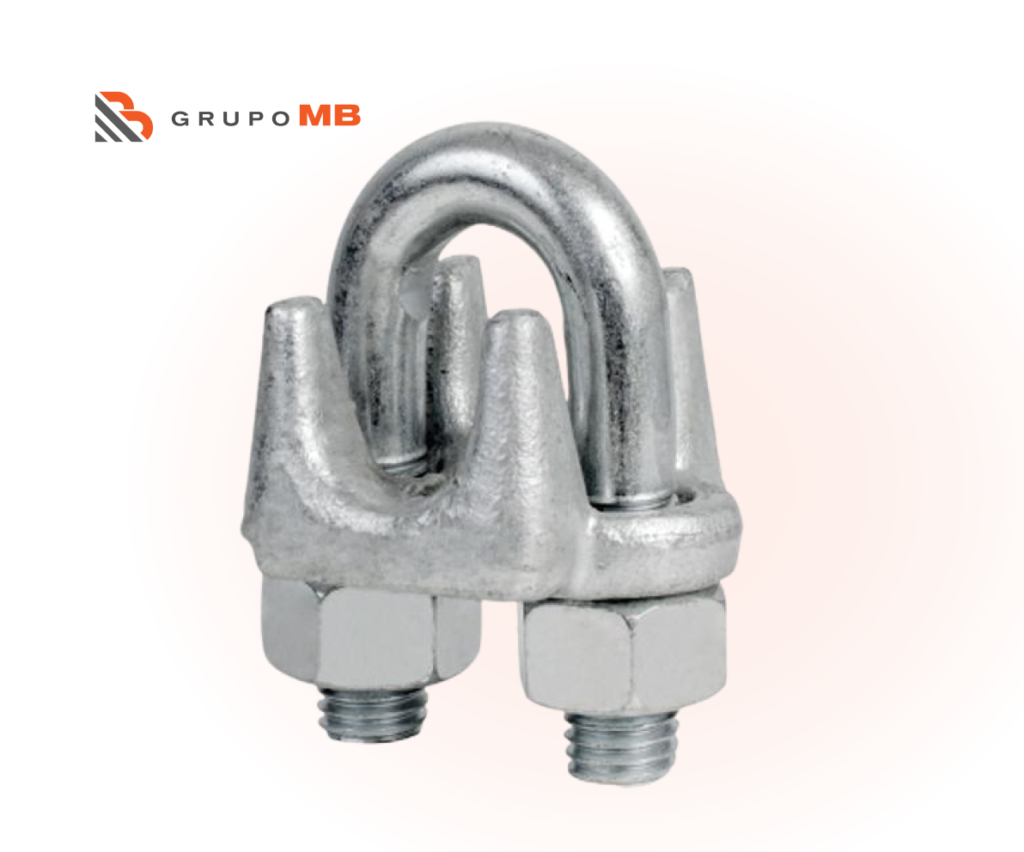
Heavy Steel Clamp
The heavy steel clampkeeps the steel cable locked, either at the ends or at intermediate points.
Its function guarantees the safety of the system, preventing accidental releases and guaranteeing the stability of the cable.
However, it must be fixed with specific spacing and in a specific direction to have its correct functionality.
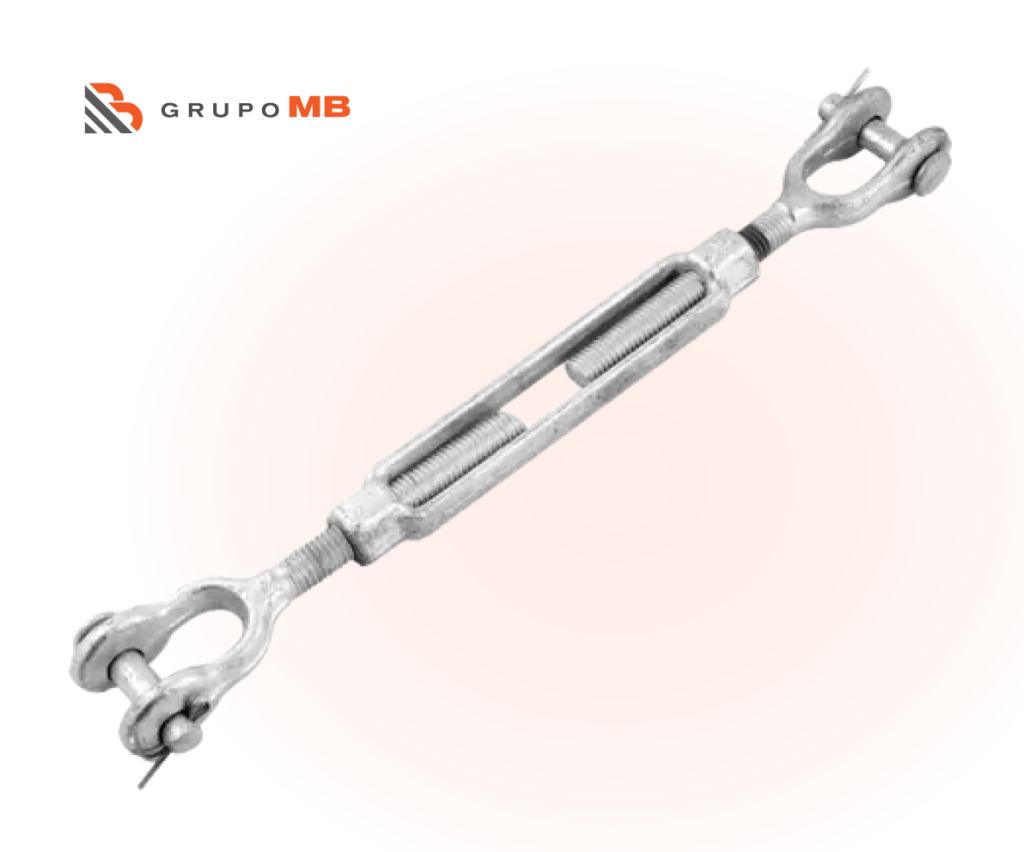
Heavy steel turnbuckle
Hot-dip galvanized, the heavy steel tensioner plays an important role in tensioning the steel cable.
It is responsible forreduce the deflection, or vertical displacement, of the cable when subjected to a load.
INOX energy absorber
The INOX energy absorber is responsible forreduce the impact of the fall by dissipating the force generated.
Connected between the anchor point and the seat belt, it stretches or deforms during a fall, converting kinetic energy into strain energy or heat.
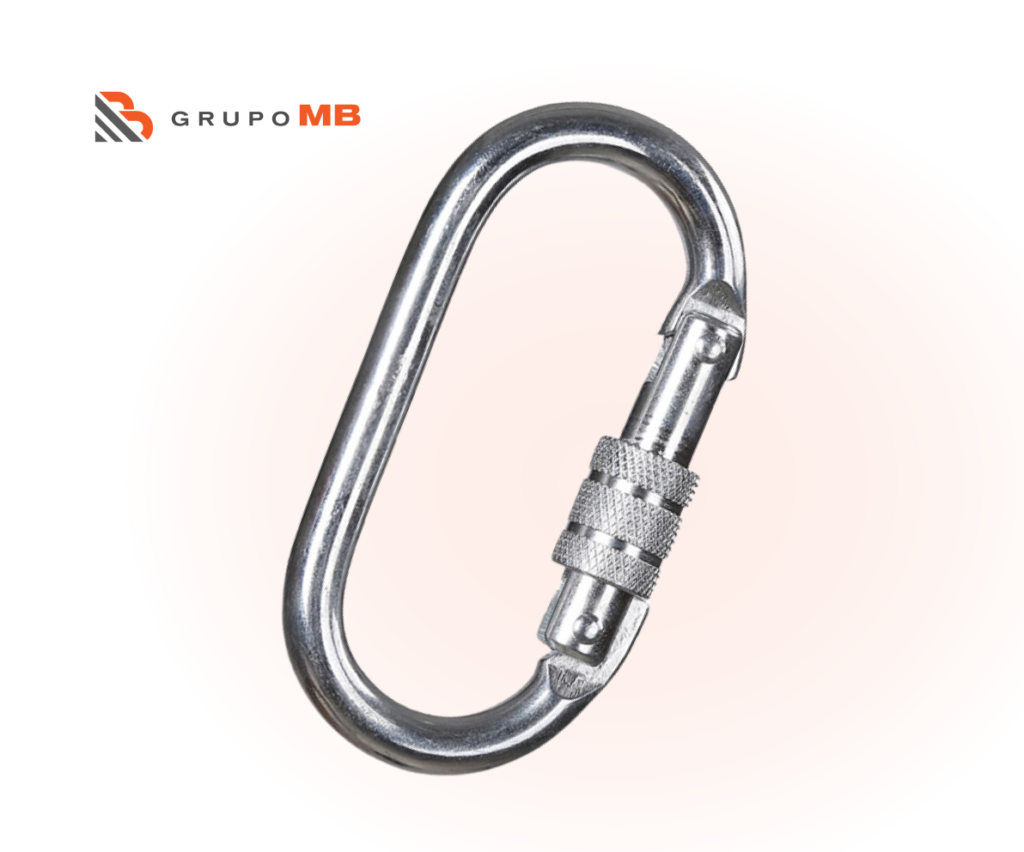
Carabiner
Made from strong metal such as steel or aluminum, the carabiner is a necessary component forconnect the seat belt to the anchor points.
Its closing mechanism guarantees a reliable connection between lifeline elements.
eye
The eye is an anchoring device designed tor fixed to the structure by means of some suitable fastening element.
Provides a safe and reliable anchor point for workers during activities at height.
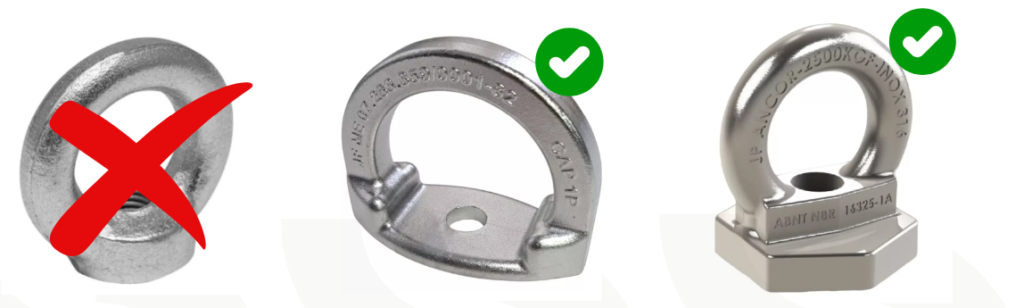
Anchoring device
Designed to provide secure anchorage points, this device is secured to the structure using fasteners.
Its function isprovide workers with a secure anchor point against falling.
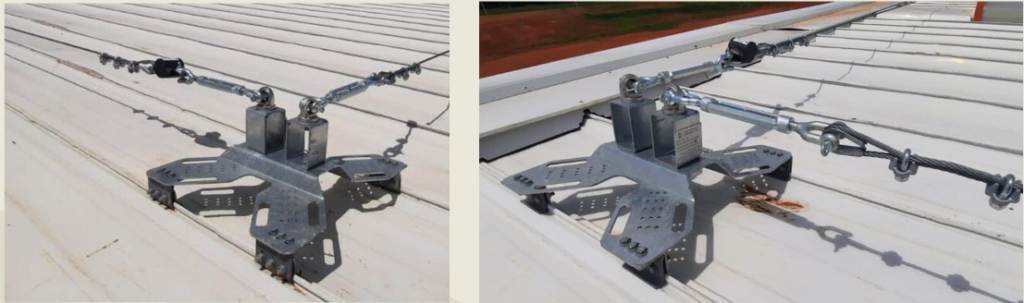
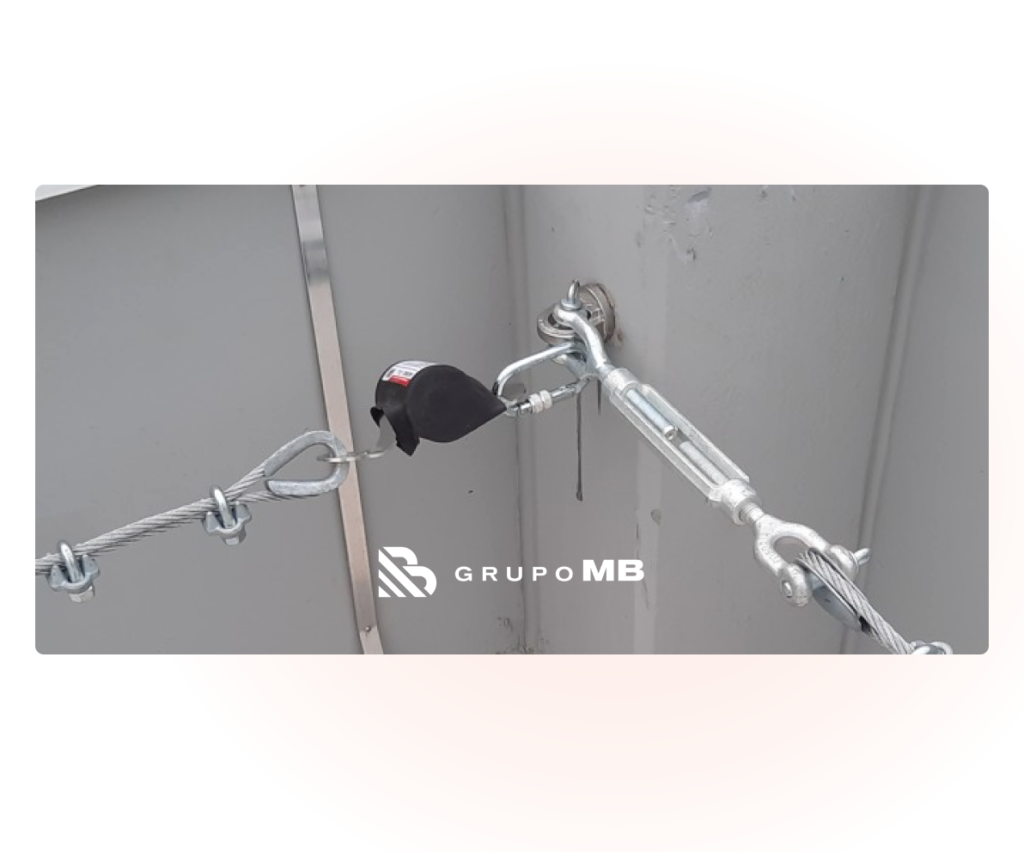
See what the lifeline looks like assembled with all the components together:
Inspection and maintenance procedures
Lifeline inspection needs to happenonce a year, counting from the date the lifeline was installed. The purpose of this procedure is to ensure that all system components are in good condition and functioning correctly.
However, there are situations whereannual inspection is not enough. If something happens, such as a worker falling or even just tripping hard on the lifeline, it can damage the components of the safety system.
Depending on the severity of the incident, it may be necessaryreplace some lifeline parts.
But, in more serious cases, such as falls,all components must be replaced.This happens due to wear on parts due to impact, in accordance with safety standards.
Therefore, those responsible for workplace safety must be alert to any signs of damage or wear to lifeline components.
Additionally, it is important to ensure that all workers are trained to correctly use equipment and follow company safety procedures.
Implementation and custom design
For a lifeline installation project, MB Group technicians consider a series of factors. For example, in every budget we develop, we perform afall and impact simulation.
The objective of this simulation is to anticipate and understand how the lifeline will behave in different situations and ensure that the project is safe enough to protect your company's employees.
Additionally, each lifeline project is made tomeet site-specific needs.If the coverage iszipped tile, for example, we use a fixing method called “spider”, which does not need to drill into the tile.
If the tiles are trapezoidal, we can fix the lifeline to the metal purlin or to pre-molded points, in addition to using a complementary fixation on the tile itself. For type W tiles, we fix the lifeline to the tile and to points on the precast.
If you want to see how this works in practice, check out Grupo MB's success story withCooper Atacarejo network. In this project, in addition to installing theDomus Linealightand its integration with theMB Smart, we install the lifeline.
Remember:prioritizing safety when working at height is prioritizing life, and investing in reliable systems will bring the necessary peace of mind for your company’s workers. So, count on the expertise of Grupo MB and start your project with the lifeline now.
For more information or if you would like to request a quote,Visit the MB Group website and send a message to our team. We will respond soon!