In this article, we will talk aboutbudget equalization for works with different suppliers. Although it may seem trivial, preparing and equalizing several quotes is not an easy task and requires a prepared professional who is attentive to technical details. Thus, it is possiblemake a more assertive decision and guarantee the best cost-benefiton purchased products.
Keep reading and see how to do this in practice!
The importance of the budget for works
Works are complex processes with a pre-determined execution period.As it involves a wide range of people, many suppliers and different work contexts, it is common for delays and budget readjustments to occur, especially inindustrial works.
Onewell-founded, detailed and reality-based budgetIt is extremely important to ensure that the costs of a project do not get out of control. While this alone does not guarantee that things will go completely according to plan,A well-designed budget helps keep the work on track, even when unforeseen events arise.
However, the professional responsible for quotations needs to be very attentive to the details of each proposal so as not to “lead a pig in a poke”. Some of the points of attention are:
- Technical specifications of products/materials;
- Types of packaging and delivery method;
- Pricing and payment method;
- Delivery deadline and conditions;
- Proposal validity period.
FOB and CIF price: a difference to consider
It is normal for different suppliers to provide different quotes.In some cases, certain important information may be omitted, which would prevent the budget designer from knowing which of the proposals is in fact the most advantageous. Among this information, we can mention the price differentiationFOB e CIF.
The pricesFOB e CIFare points of attention toequalize the quotes. THECIF (Cost, Insurance and Freight) concerns thefreight that is paid at origin. This means that, in the budget transferred, the value of shipping and transport insurance are already included in the proposal. Now the shippingFOB (Free On Board) means thatThese expenses will be paid by the recipient.
Therefore, keep an eye on this specification to avoid surprises when you receive delivery. Furthermore, it is also importantcheck whether the CIF price includes unloading the truck at the construction site, especially in the case of large quantities of materials and inputs.
How to equalize received quotes
Equalizing quotes is nothing more than placing budgets under the same references.In general, suppliers or service providers make their quotes in different ways, taking as a referencevariable scopes. It is then up to the budget designer to equalize these proposals, referencing them within the same scope to compare them realistically and find out which is more viable.
The main points to be raised and complemented in this operation are the following:
- Type of freight;
- Project scope;
- Quantity of inputs;
- Currency difference.
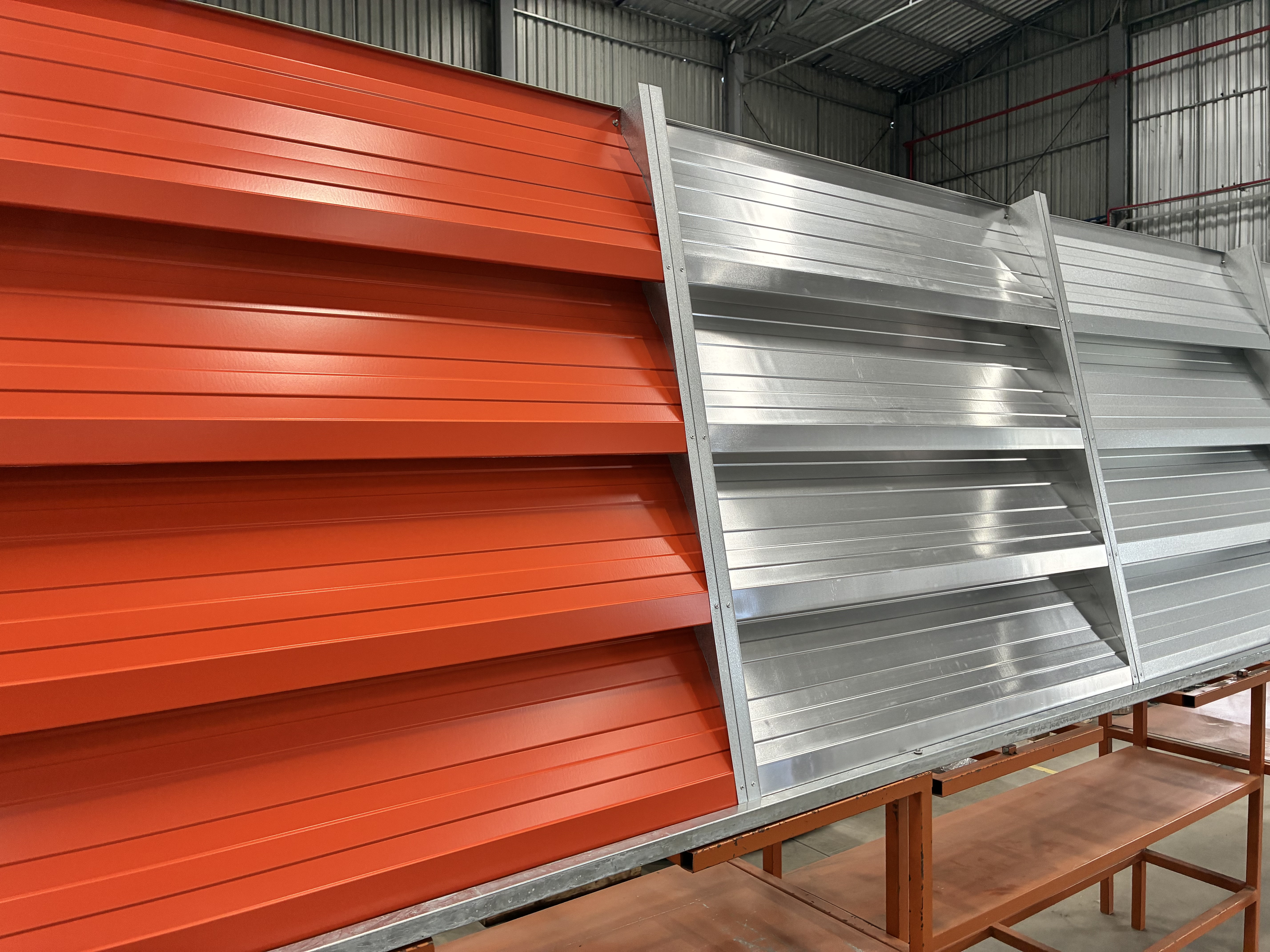
We have already talked about thefreight differences. Let's now go to the scope, which is a broader point. In this case, it is necessary to assess whether a budget is more comprehensive than others. For example: you may receive a quote from aindustrial shutterwith automatic control as an optional item and another with manual control only. Think aboutscope of your projectallows you to select the most interesting option.
In some cases, it is advisableask suppliers for additional informationto “put the hammer down” on your purchasing decision. THEquantitative aspect, in turn, is linked to how suppliers offer their products and services in terms of quantity – for example, a company that only sells a certain product from a pre-established quantity X.
In relation to imported inputs, you must be aware of thecurrency conversion, remembering that the exchange rate tends to change quickly and this can have a significant impact depending on the validity period of the proposal received. Therefore, always check this detail.
Example of budget equalization for work
Imagine that you are budgeting forindustrial shuttersand your company received the following proposals:

Nodesupplier 1, the budget is complete. As freight and other transport charges are paid at the origin, the estimator knows that he will not have to spend more on this item. The automatic control is also already budgeted, and there is no need to place a separate order.
Already in the proposal ofsupplier 2, it is necessary to add the value ofR$3,200.00freight, also considering the acquisition of a separate automatic controller. To equalize these two budgets, simply complement the proposal from thesupplier 2with transport and controller prices to know if the investment will be worth it.
3 steps to a successful budget
Let's now go through the steps of a good budget for works:
1. Study all variables
The first step involves surveying everything that could generate costs in the work, such asprofessionals who will perform the service, youmaterials usedand theapproval documents. Tabulating this information is the best way to estimate the expenses for each stage of your project without the risk of forgetting any important variables.
It is essential that this process occurs with the professionals responsible for sizing the work– engineers and architects– and also with those responsible for getting it off the ground. Only with thissynergy between planning and executionIt is possible to establish a compatible budget between the stages, which also helps the project to be completed within the expected deadline.
2. Compose costs
A project is made up of many costs, direct and indirect. THEdirect costis the one associated with the services performed at the construction site, such as the materials and professionals involved. THEindirect costcovers everything that must be spent for the project to come to fruition, but that is not necessarily related to the construction site itself, such as administrative procedures and documentation expenses.
This is usually the most laborious step in preparing a budget for works.After all, there are many issues taken into consideration. The definition of direct costs, for example, depends on the technical specifications of the project and the specification, in order to calculate the ideal quantity of materials without a wide margin of error.
3. Close the budget by equalizing the proposals
With all the services listed and the cost forecast for each stage of the project, it is time to put budget requests into practice to equalize the proposals until finding the most viable quote. Don't forget to consider thevalidity of quotations received, as the prices of certain inputs may undergo significant changes over the course of the day. Therefore, be aware of this risk.
In general, equalizing quotes from different suppliers is an efficient way to eliminate risks when creating your budget for works. Putting all the variables on paper, you will have arealistic and feasible view of the best offers, especially in terms ofdelivery time and cost-benefit.
O MB Grouphas an experienced team prepared to help you in this mission based on real estimates compatible with the scope of your work.Speak to one of our expertsand receive your quote within 3 business days!