A series of factors influence air circulation in industrial warehouses, such aspositioning of the building in relation to wind and sun and the configuration of windows and other openings in the enclosure. What theComputational Fluid Dynamics (CFD)does is precisely take this data to the virtual environment and analyze it in order to size anatural ventilation projectmore accurate.
This is an urgent need in factories and industries, considering that an environment in which the air is not renewed is extremely harmful to health, also affecting the performance of employees. With this in mind, we prepared this post that explains how to analyze air circulation in warehouses and how CFD helps ensure a healthier and more productive workplace. Check it out!
What factors influence air circulation in the warehouse

We know that theair conditioning systems(air conditioning devices) and forced ventilation (fans and mechanical exhaust fans)do not contribute to air renewal in industrial warehouses. Despite being efficient in terms of temperature control, air conditioning is carried out indoors, which prevents the air from being constantly renewed.
Not to mention ushigh spending on electricity, especially if the equipment is turned on for a large part of the day. This creates a very favorable environment for the spread of viruses, fungi and bacteria responsible for various respiratory diseases, including Covid-19. In this context, companies began to give even more importance to natural ventilation projects.
In addition topromote thermal comfort, reduce costs and boost employee productivity, a good natural ventilation projectenhances your brand’s image in the market, as the company is now seen as modern and sustainable. But getting this project off the ground is not that simple and it is necessary to consider all the variables that affect air circulation in the warehouse. They are:
- positioning of the building in relation to wind and sun;
- wind speed at the bottom of the factory;
- size and position of doors and windows;
- thermal balance of heat losses and gains;
- calculation of the amount of air needed to combat the heat;
- number of openings necessary for the required flow;
- number of air changes per hour in the room.
How Computational Fluid Dynamics (CFD) contributes to more efficient ventilation design
One of the ways available on the market to put this type of project into practice with so many variables is the use of Computational Fluid Dynamic (CFD), which is nothing more than a computational engineering methodology responsible formodel fluids in three dimensions. CFD basically works like a fluid calculator that allows you to have aclear notion about the behavior of air in a given environment.
Through the provision of services of somenatural ventilation solution providers It is possible to apply this methodology to your warehouse and understand precisely how the system must be implemented to obtain a 100% accurate result.
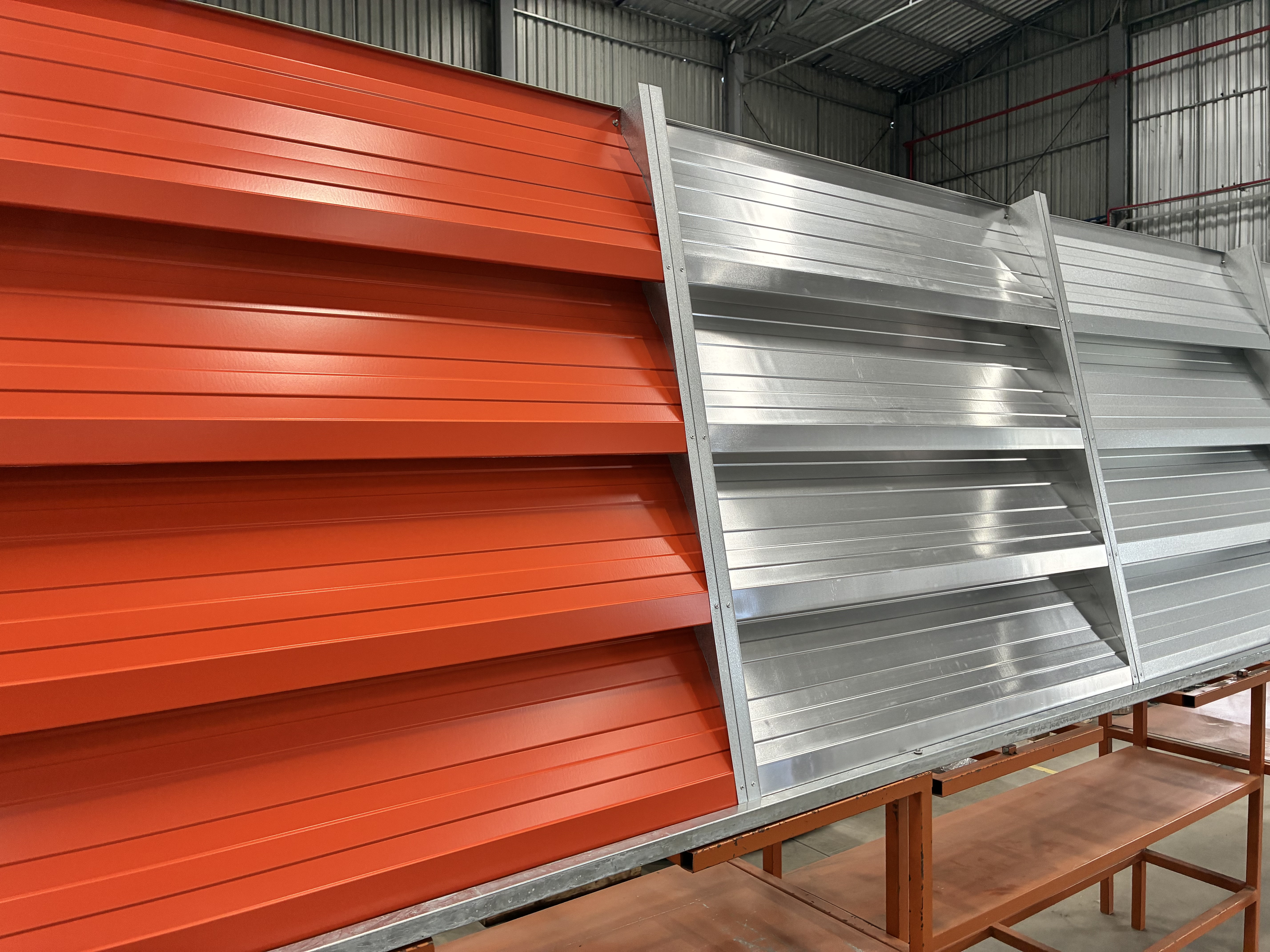
Using CFD, you can also understand in depth thefunctioning of systems used for ventilation, such as clerestory windows, industrial shutters and even air circulation using the doors, windows and other openings of the warehouse, and propose continuous improvements through quick reassessments.
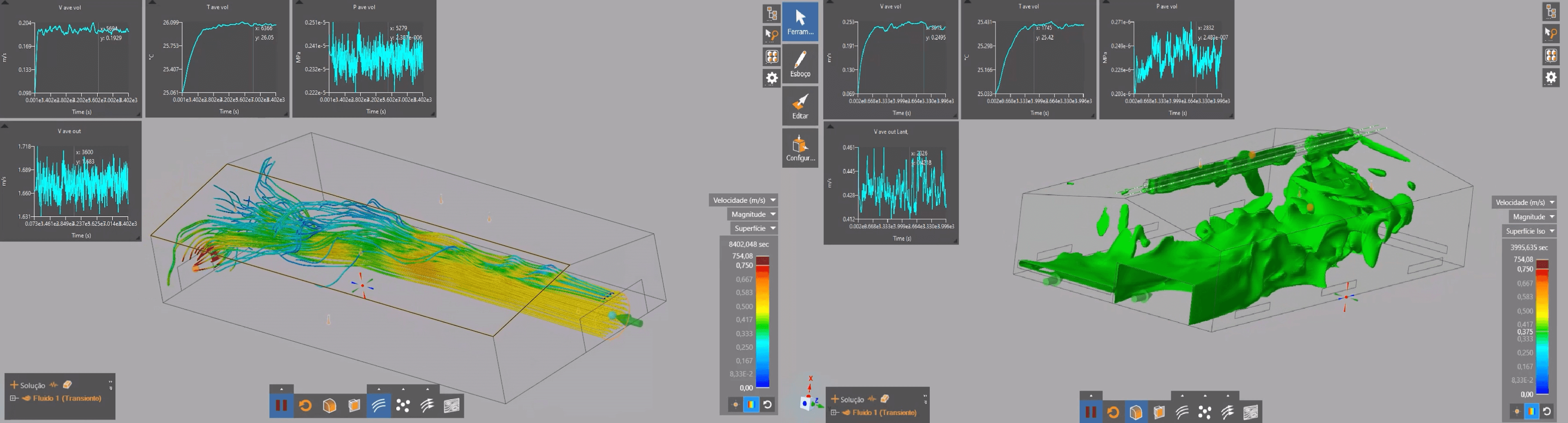
In practice, what CFD does istake real building data to modeling software 3D. Thus, in virtual reality, it is possible to more accurately predict the speed and internal temperature of the room, testing different ventilation possibilities based on the computational model.
The result of this is a much more coherent and precise application, which will guaranteehigh performance ventilation designand will facilitate the installation of the structure. This way, the manager is free from the risk of rework or losses. Next, we list the main indicators highlighted by the CFD:
- fluid behavior;
- air speed;
- identification of “dead” zones;
- identification of points of highest and/or lowest temperature;
- pressure profile and pressure loss;
- ideal positioning of equipment in the warehouse.
We know how important it is to reduce operational expenses to keep the business profitable, especially in times ofeconomic instability. Therefore, making the facilities cost-effective is essential from a financial point of view and, of course, brand value. After all, quality of life at work should be a priority for companies looking to grow and differentiate themselves in the market.
So, if you are thinking about using Computational Fluid Dynamic to benefit your business, know that you are on the right path. The MB group is a pioneer in implementing CFD in natural ventilation projects, innovating this concept in creating an even more judicious and efficient system.
Speak to one of our experts and see how we can help!