In 2015, a significant commitment was made, bringing together the 193 member countries of the United Nations (UN) with a common objective: ensuring sustainable development and eradicating poverty by the year 2030. This commitment, known asUN 2030 Agenda, not only resonates among governments and organizations, but also among companies committed to sustainability, such asMB Group.
The UN 2030 Agenda outlines17 objectivesintegrated systems that cover three crucial dimensions of sustainable development:social, environmental and economic. Each goal is a call to action, not just for governments, but also for businesses, civil society organizations and all individuals committed to a more sustainable future.
O MB Group, with its focus on natural lighting and ventilation, is an example of a company that is aligned with these objectives, actively contributing to a greener and more sustainable future.
In this article, you will find details about each of the 17 goals of the 2030 Agenda and how specific actions, including those implemented by theMB Group, are contributing to the realization of this ambitious plan. We organize the objectives into five main themes:
- Planet and Sustainability
- Infrastructure and Economy
- Reducing Inequalities
- People
- Peace and Partnerships
We invite you to continue reading and delve deeper into this global commitment and the contribution ofMB Groupfor a more sustainable world. Check it out!
1. Planet and Sustainability in the UN 2030 Agenda
Some of the objectives of the 2030 Agenda have in common the fact that they point to theneed to protect the environment and ensure the sustainability of natural resourcesfor present and future generations.
1.1. Clean and affordable energy
Goal 7 of the 2030 Agenda aims to guarantee universal access toclean energyand affordable by 2030. This involves measures such asincrease the share of renewable sources in the production chain, improve energy efficiency and expand infrastructure in developing countries.
These efforts are already underway and are expected to become increasingly frequent in the coming years. Industrial sectors are good examples of this: according to research by the National Confederation of Industry (CNI),47% of Brazilian companiesthat sought public or private financing invest in renewable energy.
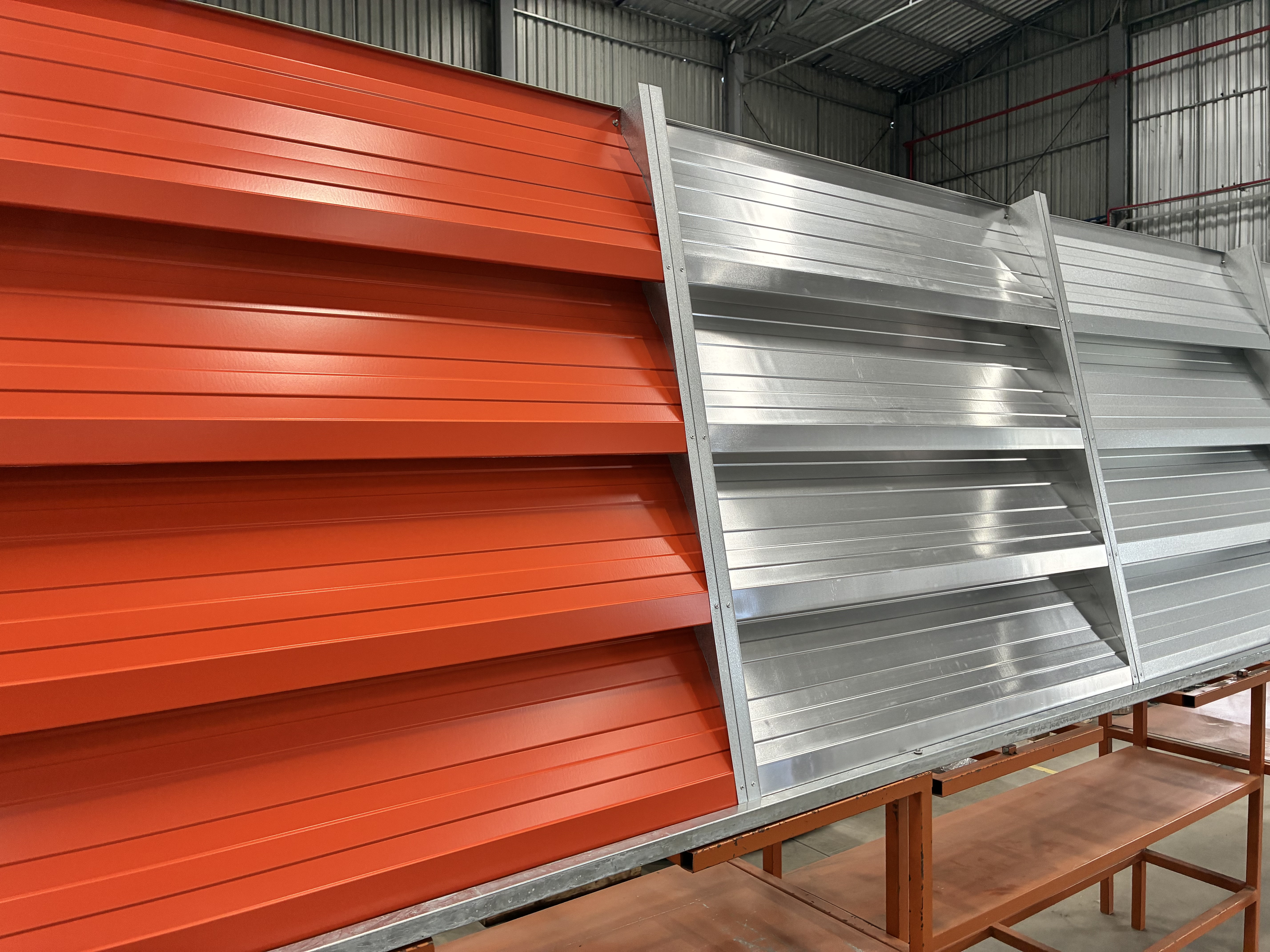
In this context, the MB Group plays a fundamental role in promoting clean and affordable energy. Through its productsnatural lighting, like theDomus Linealight, the MB Group contributes to reducing electricity consumption, promoting the use of renewable and sustainable energy sources.
Furthermore, thesolutionsnatural ventilation, such asLantern, offered by Grupo MB improve the energy efficiency of environments, reducing the need forair conditioning systemsand contributing to a fairer and more sustainable energy system.
By adopting these solutions, companies not only meet goal 7 of the 2030 Agenda, but also benefit fromhealthier and more comfortable environments, in addition to saving on energy costs.
1.2. Life in the water
Objective 14 of the 2030 Agenda aims toconservation and sustainable use of oceans, seas and marine resources. It is an effort that seeks to achieve a balance between the use of marine resources and the conservation of aquatic ecosystems.
One of the goals is toprevention and reduction of marine pollution, especially that arising from terrestrial activities, such as marine debris and nutrient pollution.
1.3. Earth life
Goal 15 of the 2030 Agenda focuses on protecting, recovering and promotingsustainable use of terrestrial ecosystems. Efforts also aim to manage forests sustainably, combat desertification, halt and reverse land degradation, and halt biodiversity loss.
To achieve this objective, the 2030 Agenda proposes a series of ambitious goals. By 2030, for example, objective 15 foresees thatnations invest in combating desertification, restore degraded land and soil, including land affected by desertification, droughts and floods.
After all, the current moment demands attention: several countries have faced high temperatures and fires, highlighting the importance of awareness and commitment to the 2030 Agenda.
In Brazil, in July 2023, for example, thegovernment of Acredeclared an environmental emergency in 10 cities due to illegal deforestation and fires. Furthermore, according torecent news, the lack of rain and high temperatures have contributed to the increase in fires in Brazil. Finally, scientists warn that the phenomenonEl Niñocould increase fires in the Amazon.
1.4. Action against global climate change
Climate change is one of the biggest global threats, affecting natural ecosystems and people's quality of life. In this context, objective 13 of the 2030 Agenda seeks urgent measures tocombat climate changeand its impacts around the world.
Among them is theneed to strengthen resilience and adaptive capacity to climate-related risks and natural disastersin all countries, in addition to integrating climate change actions into national policies, strategies and planning.
Grupo MB is aligned with this objective by promoting the use of natural lighting andventilation in industrial environments. Its products, such asDomus Linealightand theLantern, help reduce greenhouse gas emissions by reducing dependence on electricity for lighting and air conditioning. Furthermore, theMB Smartis a lighting management solution that optimizes energy use, contributing to climate change mitigation.
By adopting these solutions, companies are investing in more sustainable and resilient infrastructures, aligned with objective 13 of the 2030 Agenda.MB Group is helping to build a more sustainable and climate-resilient future, contributing to global action against climate change.
1.5. Responsible consumption and production
Objective 12 of the 2030 Agenda aims to ensuresustainable production and consumption patterns.
In the industrial context, this objective has significant implications, as it involves thedevelopment of solutions to encourage the production of goods and services with the lowest possible impact on the environment, avoiding waste and pollution.
The numbers show that more companies in industrial sectors invest in sustainable practices. It is estimated that6 out of 10 Brazilian industriesalready have an area dedicated to sustainability, according to data from a recent survey carried out by the CNI.
Investment in this area can contribute to reducing costs and increasing operational efficiency, in addition to being a factor in the financial success of companies.
1.6. Drinking Water and Sanitation
Objective 6 of the 2030 Agenda aims to ensure theavailability and sustainable management of water and sanitationfor all people, in all UN member countries.
To achieve these objectives, the goals include, among other actions,promote universal and equitable access to safe drinking water, ensure access to adequate sanitation and end open defecation.

2. Infrastructure and Economy
The objectives of the 2030 Agenda that are related to infrastructure and the economy are those that seek to promote investments in quality infrastructure,innovation and technology, in addition to promoting job creation and social inclusion.
2.1. Decent work and economic growth
A strong and sustainable economy is fundamental for human and social development. It is in this sense that objective 8 of the 2030 Agenda intends to promote full, productive employment with fair remuneration, in addition to guaranteeing asafe and healthy working environment for everyone.
The impact of standards and measures for safe and decent work can be seen in different areas, mainly in industrial sectors. Brazilian regulatory standards, for example, established by the Ministry of Labor and Employment, protect the health and safety of workers in various areas, such as the chemical and textile industries.
However, there is still much to be done to ensure that all industries adopt these safety and decent work practices, and that all workers are protected and respected in their rights. Therefore, the significant changes foreseen in objective 8 of the 2030 Agenda are essential.
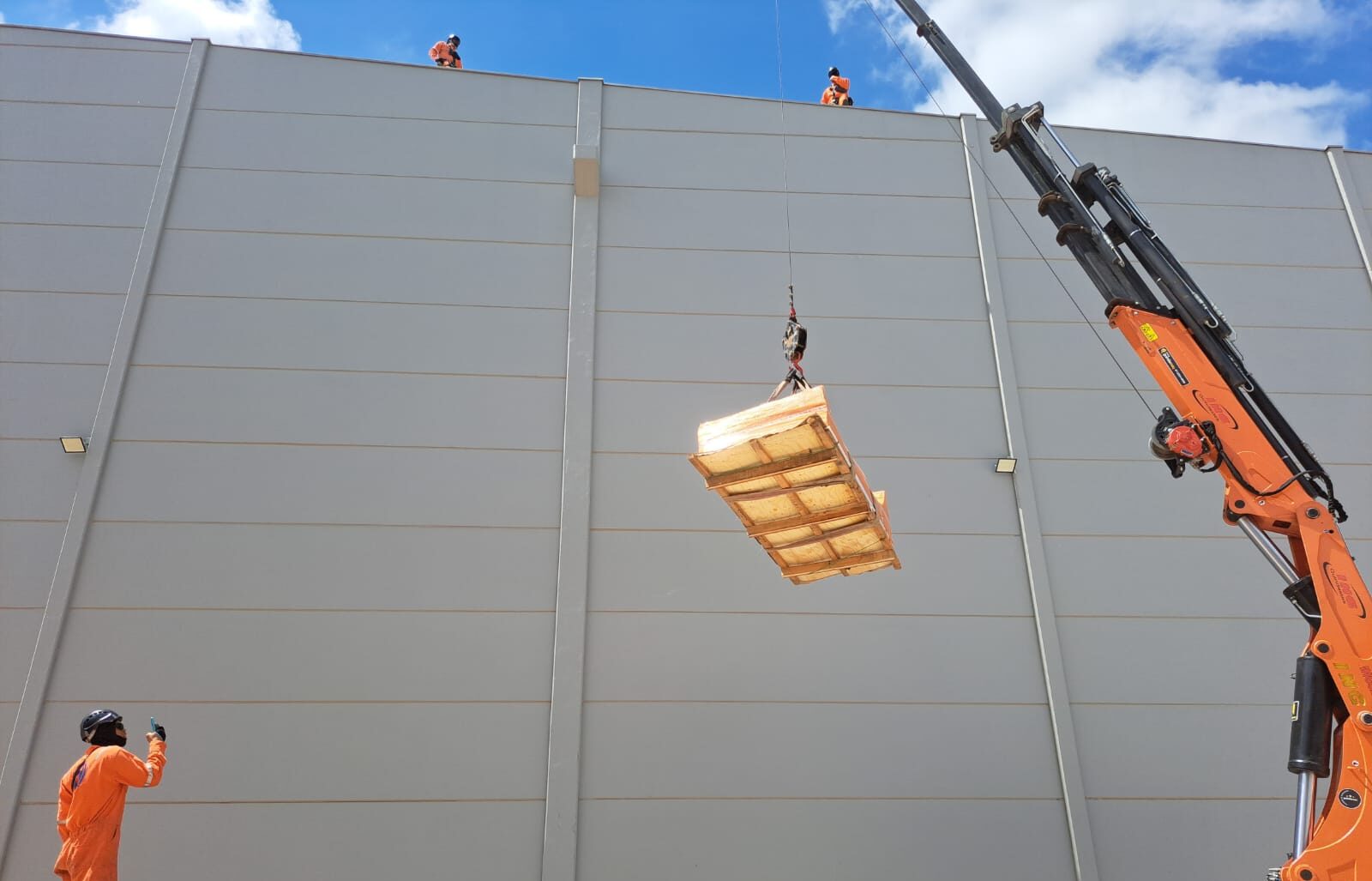
In this context, the MB Group contributes to the promotion of safe and decent work with itsLifeline, a safety system designed to protect employees who need to perform tasks on roofs or other elevated surfaces. THEMB Group Lifelineis an effective solution to prevent workplace accidents and ensure asafer and healthier working environment for workers.
2.2. Industry, innovation and infrastructure
Objective 9 of the 2030 Agenda seeks to promote the construction ofresilient, inclusive and sustainable infrastructures. The promotion of innovation and technological development is also part of this horizon.
In Brazil, the industry has made efforts to contribute to achieving the goals set out in objective 9. According toIBGE data, in 2021, of the 9.4 thousand companies with more than 100 workers that are part of the extractive and transformation industries,70% of them introduced a new/improved product or incorporated a new process.
These numbers demonstrate that large sectors of Brazilian industry are seeking to innovate and adapt to market demands. In this context,the MB Group stands out as an example of innovation in the industrial sector:The solutions not only improve the energy efficiency of environments, but also provide greater thermal comfort and natural light.
2.3. Sustainable cities and communities
Accelerated urban growth has generated several challenges in relation to sustainability, such as increased pollution, the lack of adequate and affordable housing, and the lack of basic infrastructure. To face these challenges, the 2030 Agenda established objective 11.
The idea is to promotecreating more inclusive, safe, resilient and sustainable cities and communities, which can guarantee the quality of life of its inhabitants, in addition to protecting the environment and cultural heritage.
Industrial sectors have an important role in promoting objective 11 of the 2030 Agenda. This is because industries are directly related to the production of goods and services used in cities and communities, and can significantly influence the sustainability of these places.
One of the ways that industries can contribute to objective 11 isinvesting in new technologies that can be used to build more sustainable urban infrastructure, such as low-energy buildings, efficient transport systems and renewable energy solutions such as solar energy.
In this context, theMB Groupstands out for itssustainable practices in manufacturingand inreuse of industrial waste. The company adopts the circular economy in its operations, transforming waste into new products and reducing environmental impact. Furthermore, theMB Groupinvests in sustainable manufacturing, using recycled materials and promoting energy efficiency in its processes.
By adopting these practices, theMB Groupcontributes to the construction of more sustainable cities and communities, aligned with objective 11 of the 2030 Agenda. The company demonstrates that it is possible to reconcile industrial development with environmental and social responsibility.
3. Reduction of Inequalities
One of the main horizons of the 2030 Agenda is the reduction of inequalities, which includes the fight against all forms of discrimination and exclusion — economic, racial, gender, sexual orientation, among others.
3.1. Gender equality
Gender equality is not just a basic human right: it is a prerequisite for a fair and equitable society. It is with this understanding that objective 5 of the 2030 Agenda aims to guarantee thewomen's access to equal opportunities compared to men.
The planned goals include theeliminating child marriage and female genital mutilation, promoting equal pay between men and women, and increasing female representation in leadership positionsand decision making.
To achieve objective 5, it is necessary to have the engagement of the entire society, including governments, civil society organizations and the private sector, in guaranteeing women's rights.
3.2. Reducing inequalities
Access to basic resources and services, such as health, education and employment, is still very unequal between different social groups, which harms sustainable development andpromoting social justice. Faced with this reality, the 2030 Agenda establishes a series of measures for objective 10.
By the year 2030, one of the goals isachieve and sustain income growth for the poorest 40% of the populationat a rate above the national average.
Industrial sectors play an important role in this objective, after all, industries can contribute, among other things, to the creation of quality jobs and the development of accessible technologies, promoting the economic and social inclusion of thousands of people in their localities.
4. People
Among the various areas addressed in the 2030 Agenda, there is a set of objectives that stands out for its relevance in promoting a dignified life for all human beings.
4.1. Eradication of poverty
Objective number 1 of the 2030 Agenda seeksend poverty in all its forms. This problem affects millions in different countries and has significant impacts on people's lives, the economy and sustainable development.
To achieve the ambitious objective of eradicating poverty in the world, the 2030 Agenda envisages theinvestment in public policies that promote income and employment generation, expanding access to basic services and the financial inclusion of vulnerable people.
4.2. Zero hunger and sustainable agriculture
Eradicating hunger is also essential for the 2030 Agenda. In this sense, objective 2 aims tocombat malnutrition and food waste, as well asencourage the promotion of more sustainable agriculture.
To achieve these goals, the 2030 Agenda provides for investment in agricultural technologies and sustainable production techniques, in addition to promoting local food production and the equitable distribution of these resources.
4.3. Health and well-being
Health is a fundamental right of all human beings, which is why goal 3 of the 2030 Agenda aims to guarantee theuniversal access to health and well-being for all people.
The goals involve, among other actions,reduce maternal and child mortality, combat infectious diseases, promote mental health and well-being, in addition to ensuring access to quality and safe health services for all people.
In this context, theMB Groupcontributes to the promotion of health and well-being through its solutions in industrial architecture and thermal comfort. The company offers natural lighting and ventilation products that improve air quality and luminosity in work environments, providing a healthier and more comfortable environment for employees.
Furthermore, theMB Groupoffers solutions to ensure thermal comfort in industrial environments, such as Domus Linealight and Lanternim. These products help maintain a pleasant temperature in the workplace, reducing the need for air conditioning systems and contributing to a healthier work environment.
By adopting these solutions, companies are investing in the health and well-being of their employees, in line with objective 3 of the 2030 Agenda.
4.4. Quality education
Objective 4 of the 2030 Agenda seeks to ensure ainclusive, equitable and quality education, promoting accessible and excellent educational opportunities for all.
This meansguarantee access to education from early childhood to higher and professional training, in addition to valuing teachers and encouraging research and educational innovation.

5. Peace and Partnerships
The public and private sectors, as well as civil society, play important roles in promoting peace and sustainability on the planet. See below the two objectives that are directly related to this topic.
5.1. Peace, Justice and Effective Institutions
In a world where conflicts, inequalities and human rights violations are still a reality in many places, goal 16 of the 2030 Agenda gains undeniable relevance.
The idea ispromote peaceful and inclusive societies, where all people can have access to justice; a place where solid and responsible institutions can guarantee respect for Human Rights and sustainable development.
To this end, the 2030 Agenda provides for a series of measures, such asstrengthen democratic institutions, increase transparency and citizen participation, in addition toguarantee full access to information and education.
5.2. Partnerships and means of implementation
The UN, through the 2030 Agenda, recognizes that, to achieve sustainable development goals, a joint and collaborative effort is necessary between all sectors of society. It is in this context that objective 17 becomes so important.
The need tocreate partnerships between governments, the private sector, civil society, international organizations and other actors. The central objective for these unions isshare knowledge, resources and experiences.
Throughout this complete article, we detail the 17 objectives of the 2030 Agenda, which representa global callingto face the challenges of the contemporary world. From eradicating poverty to promoting sustainable cities and communities, these goals aim to build a more just and sustainable world for all.
To achieve these goals, it is clear that we need the active participation of all sectors of society, including the industrial sectors. Companies need to take a responsible stance and be committed to sustainable development, seeking innovative solutions and investing in clean technologies.
As we saw, theAgenda 2030sets ambitious goals to promote sustainable development in several areas, including clean energy, decent work and action against climate change. The adoption of sustainable practices in construction is one of the ways to contribute to these goals.
If you are interested in learning more about how to make your construction sustainable and obtain LEED certification, an international recognition of sustainable practices in construction, we invite you to read our article onhow to make your construction sustainable.