Understand how to modernize your industrial plant without incurring debt or delaying your competitiveness
The high Selic has once again become one of the main obstacles for the Brazilian industrial sector. With the basic interest rate above 13%, access to credit has become more expensive, financing has become less attractive and many projects to build new warehouses are being shelved.
This movement directly affects the performance of companies. Industries that operate in old structures, with low thermal and energy efficiency, end up facing silent losses, both operational and competitive.
In this scenario, theindustrial retrofit, especially with solutions such as natural ventilation and overhead lighting, is positioned as a realistic, efficient and intelligent alternative. No need for financing, no major works and tangible gains in operation.
High Selic: what this means in practice
Selic is the basic interest rate for the Brazilian economy. When it is high, as it is now, bank loans, industrial financing and corporate lines of credit become more expensive. This directly impacts companies that depend on capital to invest in infrastructure or expansion.
In practice, a Selic rate above 13% represents:
- High cost for construction financing
- Decrease in the predictability of investment returns
- Increase in the cost of capital and financial risk
- Retreat from expansion or modernization plans through new works
The result is clear: many companies hold back their projects or opt for palliative maintenance, missing the chance to transform their plant with more strategic solutions.
What is industrial opportunity cost
In the current context, opportunity cost is a decisive concept. It means what your company stops gaining when choosing to keep capital idle, invested in low-yielding financial assets or directed to areas with limited operational return.
With the Selic high, leaving money invested in a new construction becomes a risky decision. Investing in internal improvements, such as retrofitting with natural ventilation, means applying that same capital with more security, less risk and a direct impact on the plant's efficiency.
Industrial retrofit: effective solution, without blocking cash
Unlike a project from scratch, retrofitting does not require large financing resources and can be carried out in stages, with less complexity and impact.
Among the most sought after solutions for thermal and energy retrofit are:
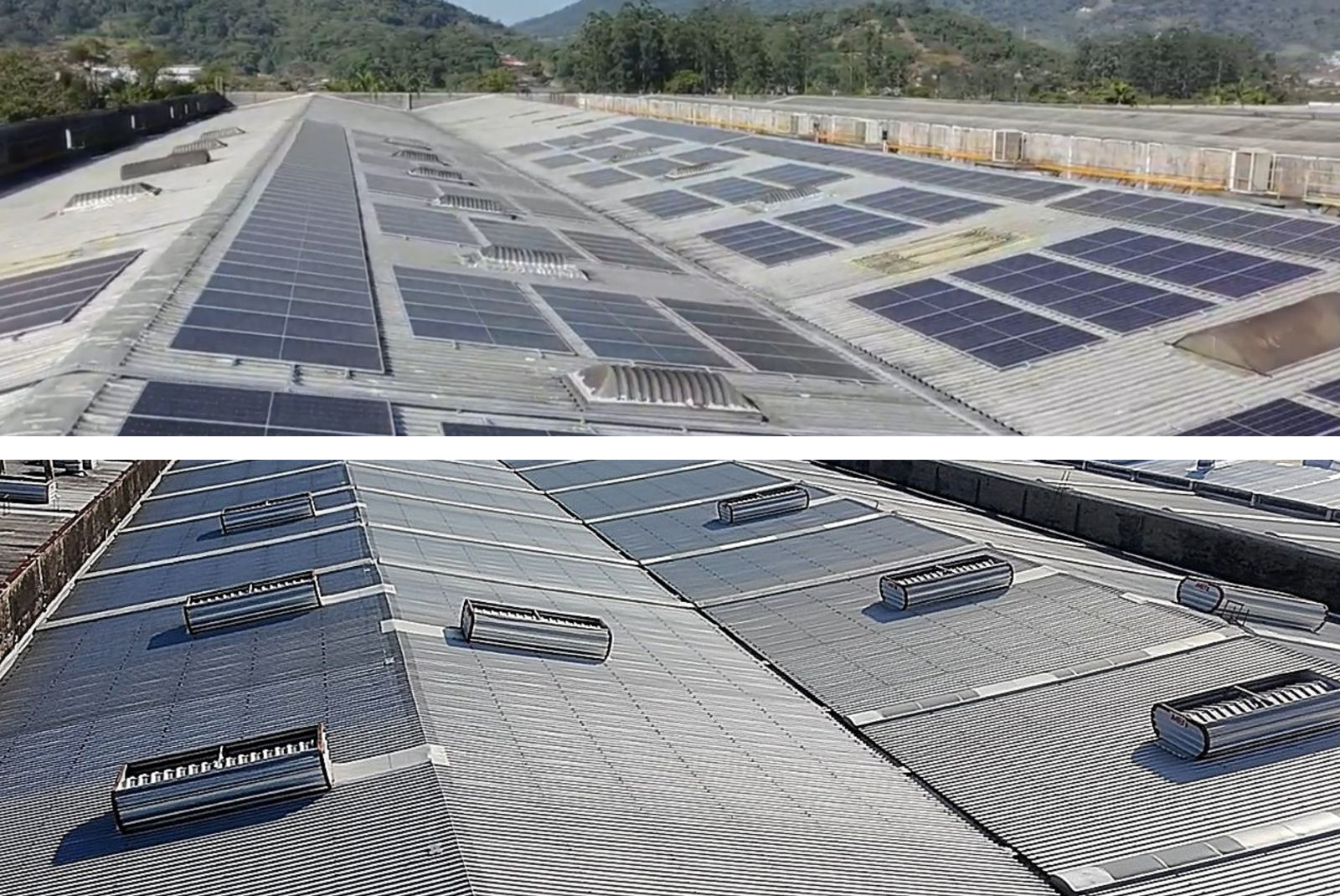
- MB Lanterns– Structures installed on the ridge of the warehouse that eliminate accumulated hot air and guarantee continuous natural ventilation.
- Domus Linealight– Natural lighting systems that reduce the use of electricity during the day.
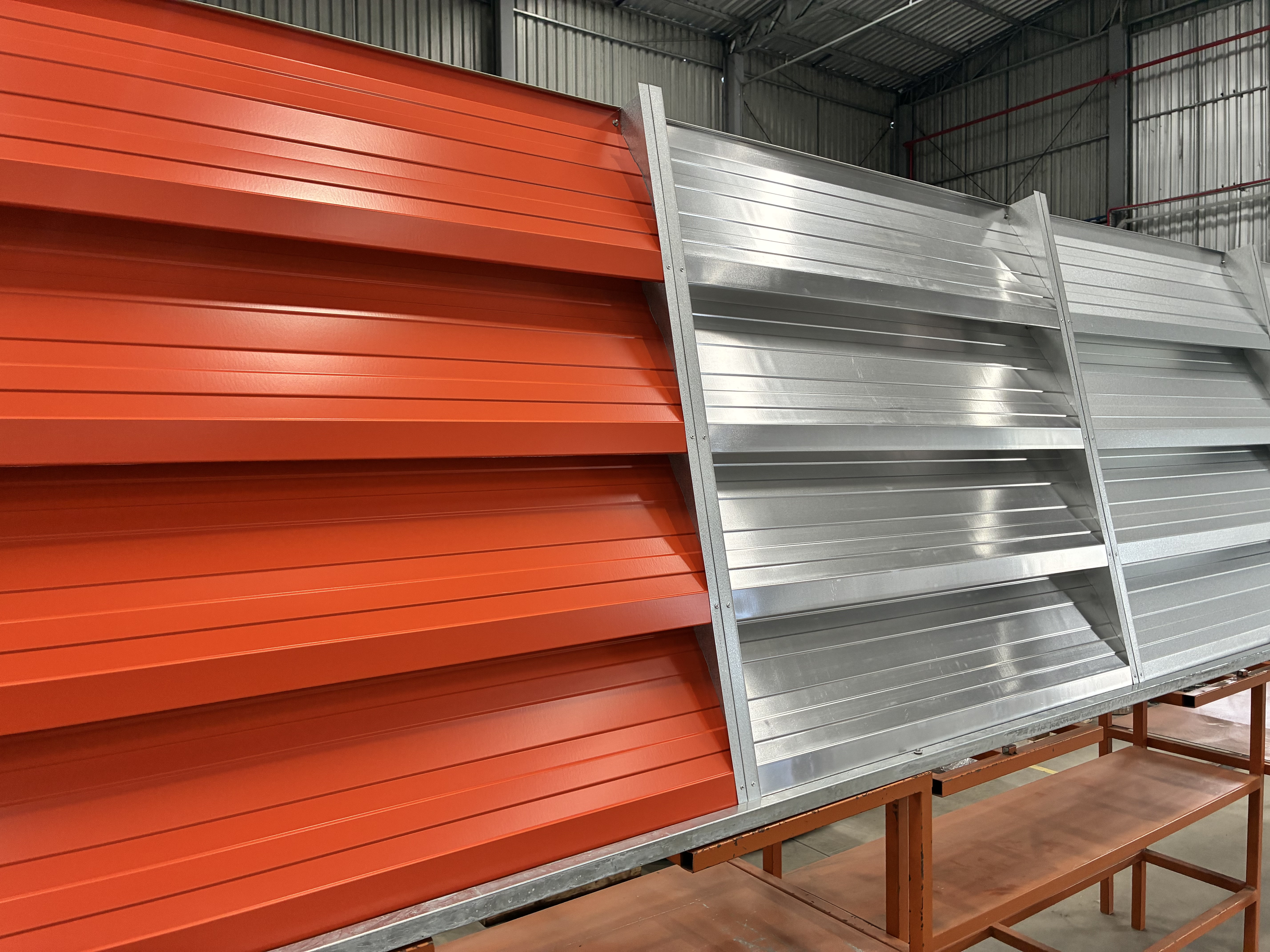
- Industrial shutters– Improve air intake and reduce stuffiness.
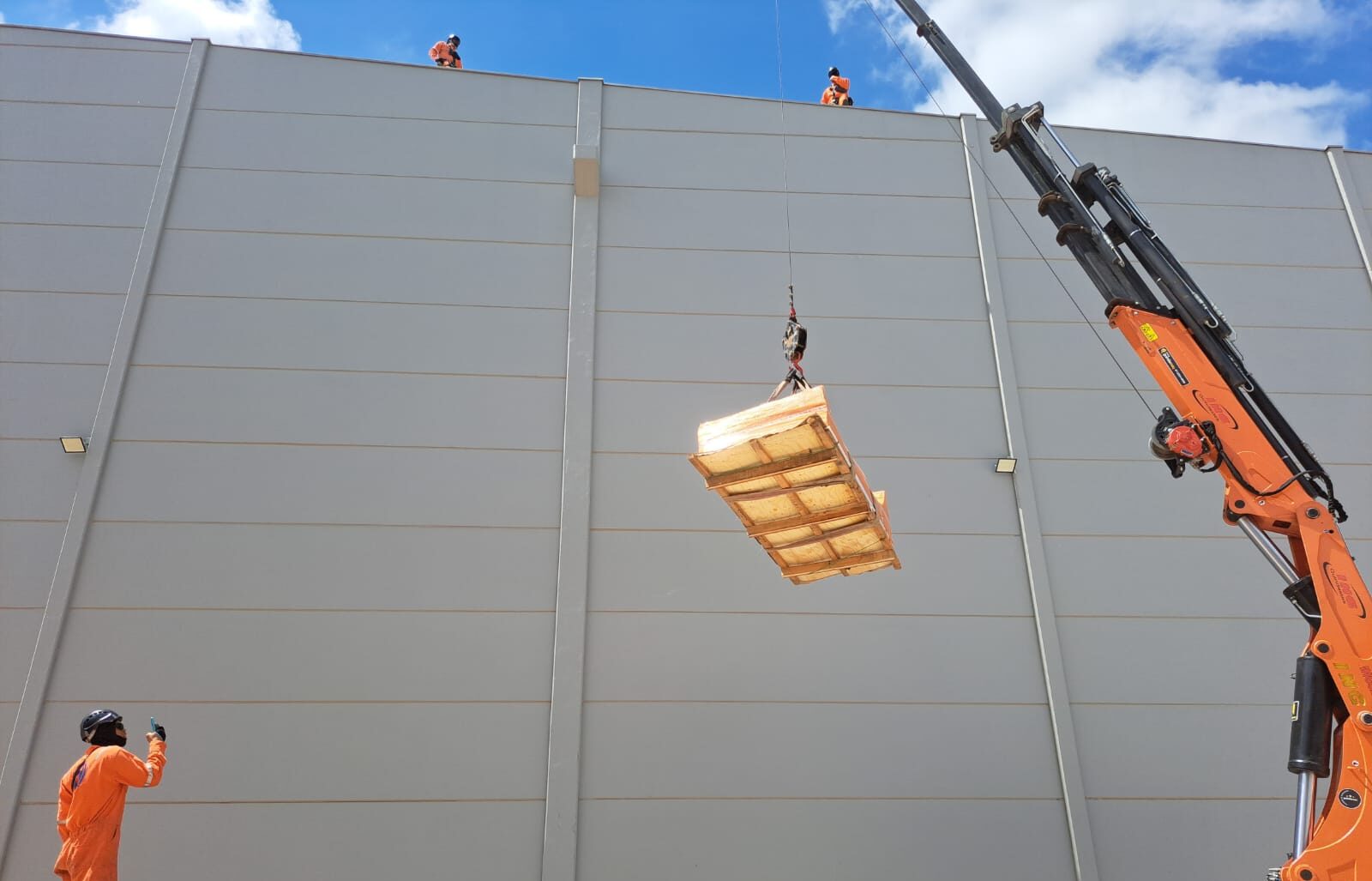
- Lifeline– Adds safety to the maintenance process of roofs and elevated structures, adding compliance with OSH standards.
These solutions promote thermal comfort, reduce energy consumption and contribute to the well-being of employees. All this without the need to build a new building.
Real comparison: new construction vs retrofit
Let's consider a 5,000 m² industrial plant that currently operates in a warehouse with low thermal efficiency.
Option 1: Construction of a new warehouse
- Need for high-interest financing
- Average execution time: 12 to 18 months
- Bureaucratic process, licensing, partial or total operation shutdowns
- High risk of overcost
Option 2: Retrofit with Lanternins and Domus MB
- Estimated investment:From R$100,000 (amount may vary depending on the size and needs of the warehouse)
- Source of resources:It can be carried out with own resources or through reinvestment of operating cash
- Execution speed:Projects are executed in weeks, with minimal interference in the factory routine
- No downtime:Installation can be done while the plant is in operation, avoiding losses from production downtime
- Energy efficiency:Significant reduction in the use of air conditioners or mechanical exhaust fans
- More natural light:With Domus Linealight, the factory gains diffused lighting during the day, reducing the use of lamps
- Improvement of industrial image:Retrofitted warehouses gain a modern, clean and more organized appearance
- Security and compliance:Solutions that meet technical standards (such as NR15, thermal comfort, and minimum ventilation)
- Added value to the property:The retrofitted warehouse now has greater market value and attractiveness for new contracts
- Compliance with ESG requirements:Lower energy consumption, better working environment and greater environmental responsibility
- Reduction of operating costs:Direct savings in energy and maintenance, in addition to reducing sick leave
- Custom installation:Each project is customized according to the roof structure, internal layout and air volume of the plant.
- Low technical risk:Solution validated by large industries and designed by specialized engineers
- Possibility of integration:Compatible with other structural improvements such as industrial shutters and lifeline
Avoid the inertia trap
Many companies, upon seeing the Selic rise, freeze their projects waiting for a “more favorable” moment. The problem is that, in the meantime, they continue to lose money with:
- High energy bills due to artificial air conditioning
- Drop in productivity due to thermal discomfort
- Legal risks due to unhealthy working conditions
- Deterioration of industrial image in audits and technical visits
Each month without action represents silent losses that, added up over the year, exceed the investment necessary to modernize the existing structure.
And ESG
Retrofitting is not just a matter of economics. It is directly linked to the ESG agenda. Improving working environment conditions, reducing energy consumption and valuing existing assets reinforce the company's commitment to:
- Environmental sustainability(less energy, less emissions)
- Social responsibility(better ergonomics and occupational health)
- Corporate governance(strategic use of capital and compliance with standards)
Companies that adapt to these guidelines strengthen their reputation and expand access to new markets, certifications and contracts.
Retrofit as a competitiveness lever
With the resumption of increasingly selective industrial activity, those who do more with less gain a competitive advantage. Companies that modernize their structure without depending on credit gain agility, stability and better responsiveness to market demands.
Furthermore, the retrofit demonstrates maturity in the management of physical assets, revealing that the company understands the strategic value of each square meter of its plant.
The high Selic changed the rules of the game for the industrial sector. While credit becomes expensive and new works seem more distant, industrial retrofitting with solutions such as Lanternim MB appears as the most rational and effective path.
It is the choice of those who want to modernize their operations, improve the manufacturing environment and apply capital intelligently — without holding up cash, without getting into debt and without compromising the company's future.
Your plant is suffering from the heat, expensive energy and delays in improvements due to the high Selic
Speak to an MB engineer and discover how retrofitting can transform your warehouse without new work, without debt and with immediate gains.