Although it is a strategic input for the economy, electricity represents one of the biggest costs in both industry and retail. Thanks to fierce competition in the retail sector, inefficient supermarkets tend to make losses or simply close.
Furthermore, the pressure and need to adoptmore sustainable energy consumption modelsand consistent with the low-carbon economy agenda. To combinenatural light and artificial light, for example, is a smart way to seek energy efficiency and optimize the industry's cash flow.
Reduceelectricity costs and increasing the efficiency of commercial establishments is one of the main strategies to become more competitive and, at the same time, more sustainable.
Therefore, in this post, we will understandwhy electricity plays such an important role in the cost structure of supermarkets and how this problem has been addressed. Many solutions available on the market can promote a boost in competitiveness in inefficient establishments. Continue reading and understand this relationship better!
The problem of electricity consumption
The cost of electricity in Brazil, as attested inFirjan survey, and thesixth most expensive in the world. In addition to directly impacting the bill that supermarkets receive every month, salty energy also indirectly influences the costs of logistics and acquisitions of more economical equipment.
In the supermarket sector, for example, the energy tariff started to represent thesecond largest expense in 2015, second only to payroll expenses. This data, evidenced in research byBrazilian Society of Retail and Consumption (SBVC), speaks to a need that has already become urgent in all retail niches: the search for energy efficiency and investment in sustainable solutions.
Normally, the biggest villains of energy consumption in supermarkets arerefrigeration systems and air conditioning devices. THEartificial lightingit also represents a significant part of energy costs, which could suffer a huge drop if the lighting project combined natural light and artificial light in the environment.
The solutions to the problem
Let's look at alternatives that help reduce electricity costs in industry by combining the use of natural light and artificial light and other elements.
Periodic maintenance and sustainable gases for refrigeration
Youfluids used in refrigeratorsThey are essential for keeping food at the correct temperature 100% of the time. However, some common problems – such as leaks and incorrect installations – compromise the effectiveness of these gases, resulting in greater energy consumption. Therefore, it is necessary to keep the maintenance schedule up to date.
Furthermore, another effective measure in terms of sustainability is thetraditional fluid replacement, likeR22 e R404Aby CO2, which ismore efficient and less harmful to the environment.
Heat recovery systems
Heat recovery systems use the heat generated by supermarket equipment to meet other demands, such as water heating, for example. I.e,this energy that was previously simply wasted now has a useful destination, reducing global electricity consumption.
LED luminaires
Replacing conventional luminaires withLED luminaires It has already become a common measure not only in industry and commerce, but also in supermarket projects. These lamps matchmaximum efficiency with minimum consumption, therefore being the main choice when it comes to energy saving. The need for replacements also decreases due to the long lifespan of LEDs.
Natural lighting and ventilation
Natural lighting and ventilation systems deserve a prominent role in this scenario ofeconomic energy optimization in supermarkets and industrial warehouses. In addition to helping the company achieve energy efficiency, thenatural lighting and ventilation solutionsbring more comfort and well-being to the workplace, which directly influences employee productivity.
After all, theentry of natural light in the right amount and constant air renewal in the environmentThey make the room much more comfortable visually and thermally. This favors the performance of functions and, at the same time, provides amore pleasant shopping experience for supermarket customers. But it is worth remembering that industries and businesses in other segments can also make the most of these solutions.
The mix of natural light and artificial light for sustainable projects
The domes ofnatural lighting are solutions that champion sustainability, used both in new works and in renovation projects.industrial retrofit. They can be installed on any type of roof and featurezero maintenance cost, requiring only annual cleaning. The objective isallow the strategic entry of sunlight into the environment, that is, without directly affecting people and equipment.
The luminous efficiency is very high,illuminating up to 8 times more than a window or light entrance with equivalent opening, which allows artificial lamps to be kept off during most of the working day. That's why,The mix of natural and artificial light is an excellent alternative to reduce electricity costs in supermarkets, in addition to providing a more pleasant workplace.
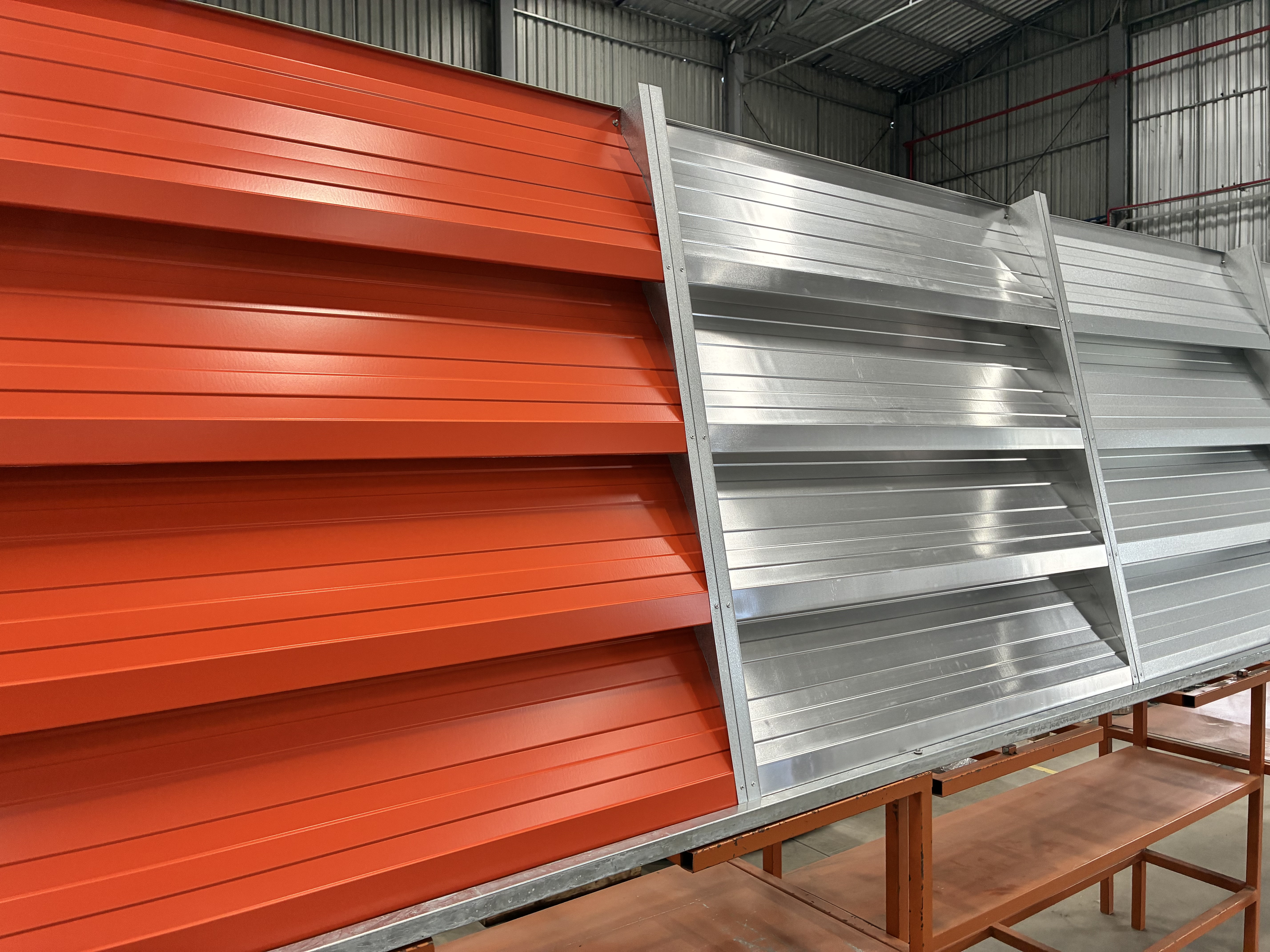
There is also the option of installing the domes together with a complementary system for natural ventilation. THEMB Group LanterDomus, for example, masterfully fulfills these two functions, eliminating not only the use of artificial lamps, but also air conditioning devices, which are major contributors to electricity bills.
Below, we summarize the main benefits that investing in sustainable solutions brings to the industry:
- Greater productivity and employee satisfaction: the relationship between quality of work life and employee productivity is direct. A pleasant environment stimulates maximum performance and increases profitability.
- Brand valorization and investments: sustainable companies are better seen in the market, which helps to consolidate a positive image of the brand. Furthermore, they easily attract investors.
- Access to government incentives and subsidies: Government subsidies and incentives are increasingly being directed towards companies that adopt clean and sustainable technologies.
- Lower turnover and attraction of new talent: companies with a healthy corporate climate and that adopt a sustainable culture have low turnover and attract the best professionals on the market.
Practical results of natural lighting and ventilation solutions
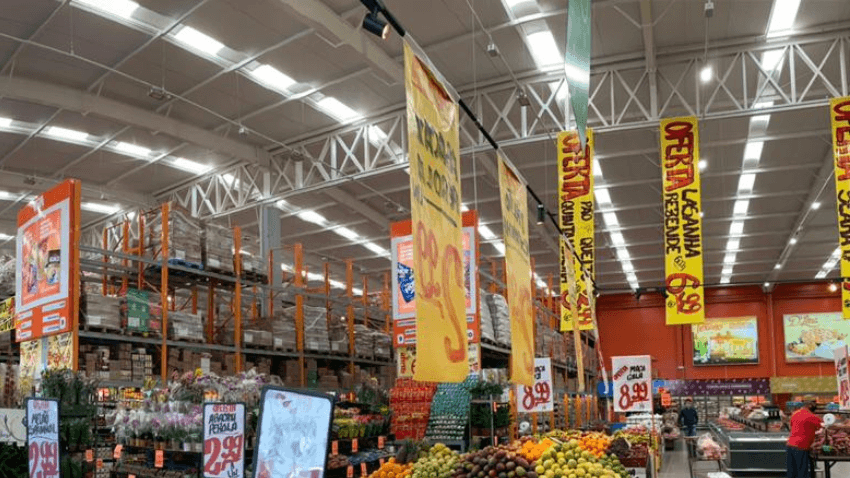
An example of a use case for combined natural light and artificial light solutions isthis Wholesale, where internal lighting became6 times biggerafter the installation of Domus Prismáticos, merging both forms of lighting in the same project. Other examples of success in the supermarket industry to inspire you are:
- Koch Supermarket
- Hypermais Wholesale;
- Bavaresco Supermarket.
The return on investment occurs injust 2 years, enough time for your company to position itself in the market as a sustainable brand that values the quality of life of its employees.
If you are also looking for productivity and savings in your industry,contact us and request a no-obligation quote. We will respond as soon as possible!